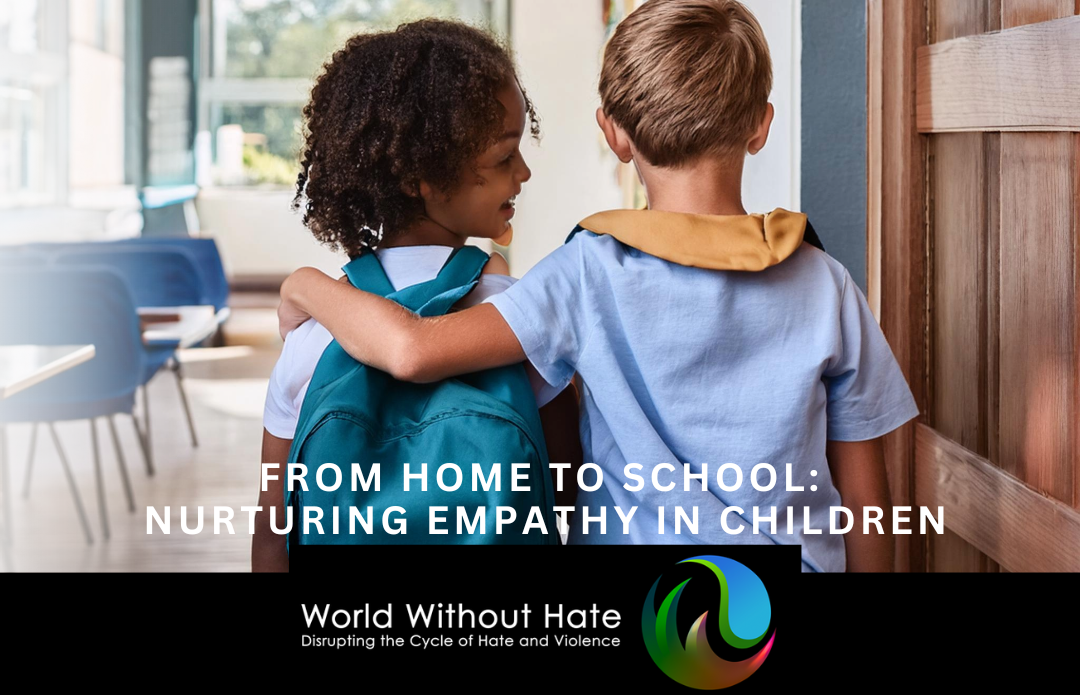
My little nephew, Yusuf, is a third-grader. Every day after school, I ask him about his day—who he played with, the games they enjoyed, or what activities they did in class. I don’t just ask; I genuinely engage, showing interest in his little world. At first, Yusuf was a bit shy and reserved, but with time and patience, he began to open. Now, he excitedly shares his stories, and I’ve even memorized all his friends’ names.
One day, during one of our chats, Yusuf mentioned a classmate, Dave, who often misses school. When I asked why, he explained that Dave has to undergo medical treatments, which keeps him away from class for days at a time. Hearing this, I couldn’t help but think about how hard it must be for Dave — not just the physical toll of treatment but also the emotional weight of missing out on friendships and the normalcy of school life.
I gently explained to Yusuf how difficult it must be for Dave to go through this and encouraged him to show kindness. “The next time Dave is in class,” I said, “make an effort to say hello. Ask how he’s doing and let him know you’re happy to see him.” Yusuf nodded and promised he would.
From that day on, our conversations often revolved around Dave. Yusuf would tell me whether Dave had been in class and if he had remembered to say hello. One evening, Yusuf shared something that truly touched me. With a wide smile, he said, “Today, I didn’t see Dave at first, but then he came up to me, said hello, and asked how I was doing!” I could feel Yusuf’s joy through his words.
I smiled and asked, “Why did that make you so happy?”
Yusuf thought for a moment before replying, “I didn’t expect Dave to say hello to me. I got used to checking on him and didn’t think about how it would feel if he did the same. But when he did, it made me feel really good!”
In that moment, I realized how much this small act of kindness had shaped Yusuf, and Dave as well. A simple habit of reaching out had not only brought joy to Dave but had also helped Yusuf experience the warmth of empathy. Their little exchange was a powerful reminder of the impact of compassion, no matter how small the gesture.
Children are like mirrors, reflecting what they see and learn, especially at home —their first learning institution. If we teach them compassion, empathy, and generosity, they will carry those values into the world, creating ripples of goodness wherever they go.
Home is the foundation where these lessons begin. When kindness starts there, schools—their second learning institution—can build on that foundation, focusing on education while supporting children’s emotional and social growth.
This story isn’t just about Yusuf and Dave; it’s about the ripple effect of compassion. It’s also a reminder for us, as adults, to model these qualities in our everyday lives—at home, at work, and in public. Our actions are the foundation of what our children absorb. When we nurture kindness in our homes, schools can focus on education rather than addressing issues that stem from a lack of emotional grounding. Together, these two institutions can shape children into compassionate, empathetic, understanding, and kind-hearted human beings.
It’s a call for us, as adults, to model the values we want to see in the next generation. The world becomes kinder, one act of empathy at a time—and it starts with us, at home.
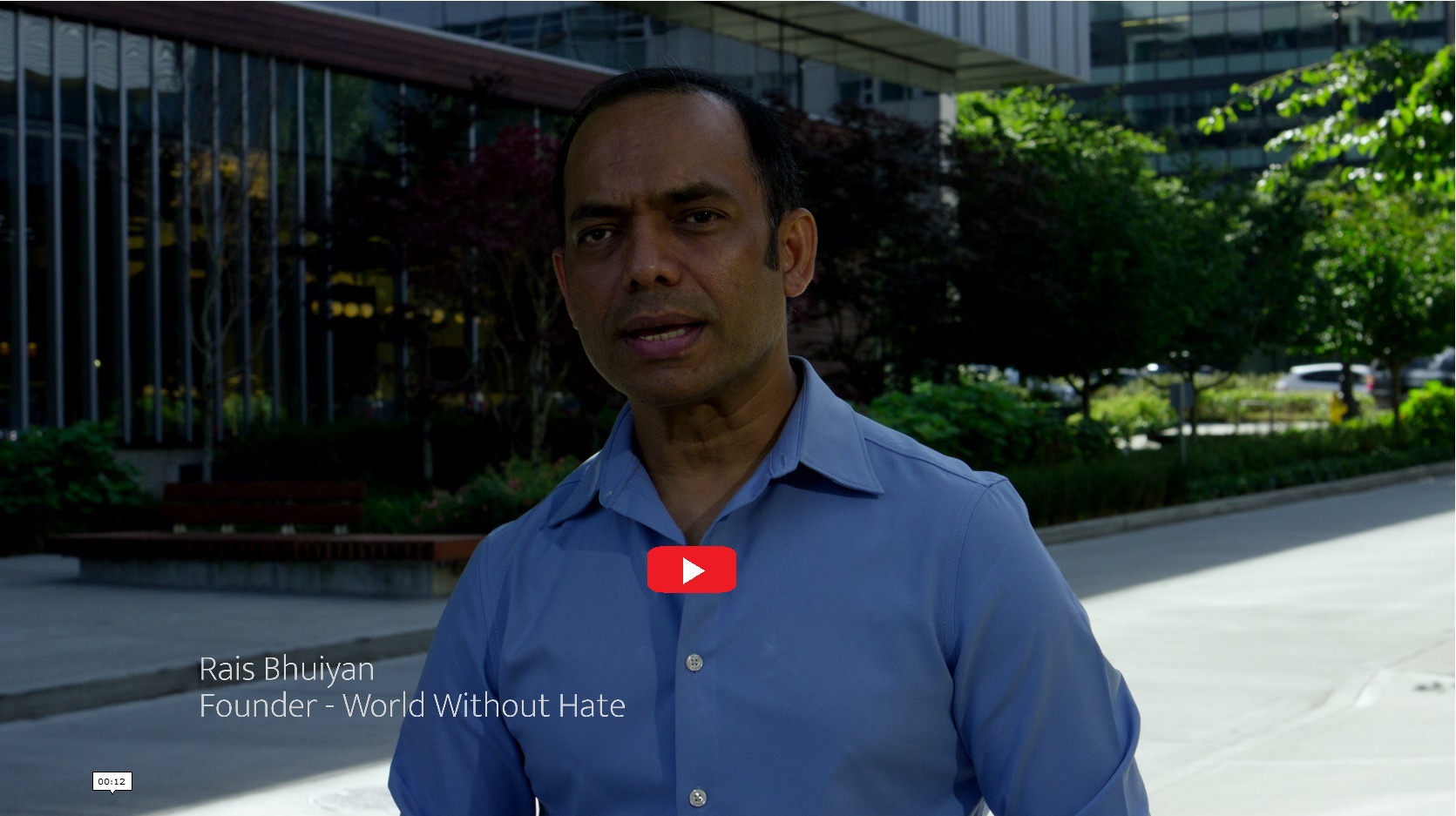
~ Rais Bhuiyan, Founder, World Without Hate
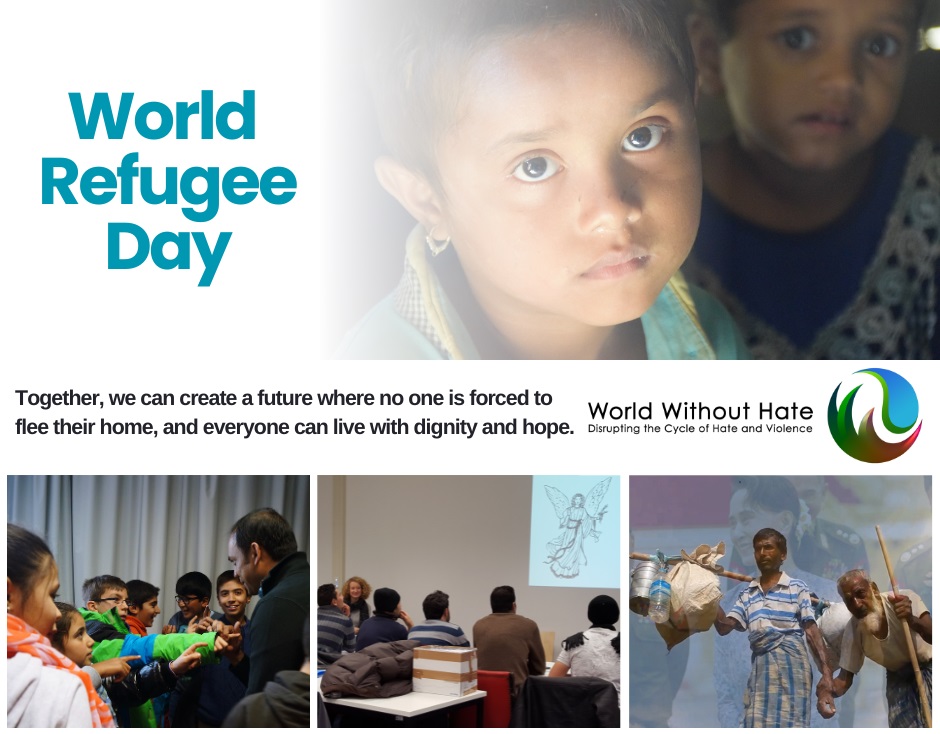
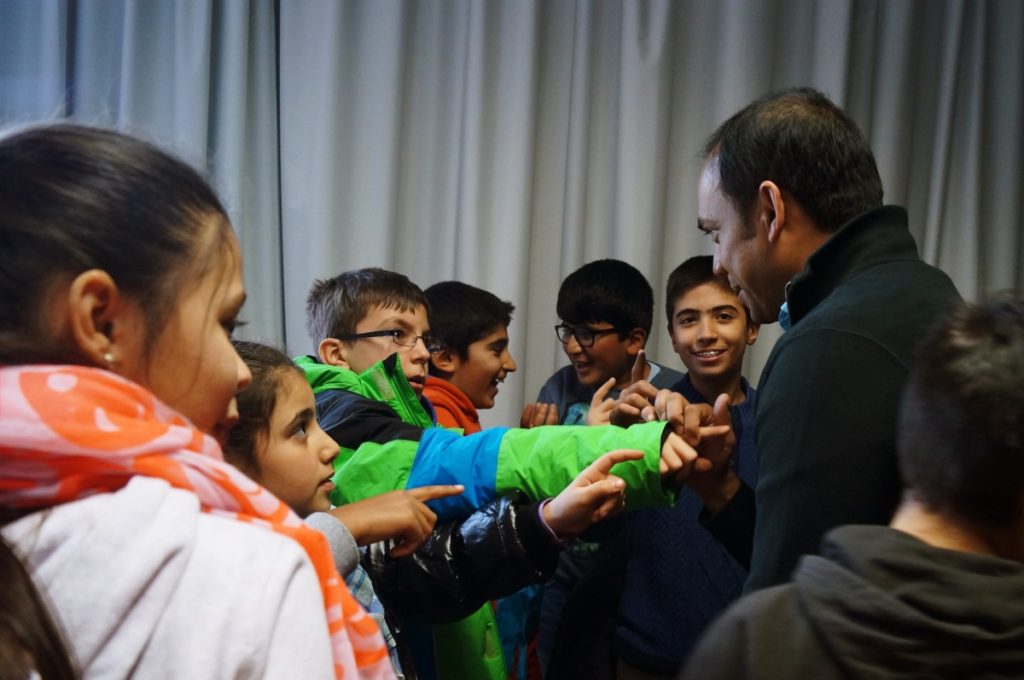 Refugees are human beings. Individuals who’ve fled their countries to escape violence, persecution, war, ethnic cleansing, and genocide, seeking safety and security in another nation. According to the UNHCR, at least 117.3 million people around the world have been forced to flee their homes. Of the nearly 43.4 million current refugees, around 40% are under the age of 18. There are also millions of stateless people who have been denied a nationality and lack access to basic rights such as education, health care, employment, and freedom of movement.
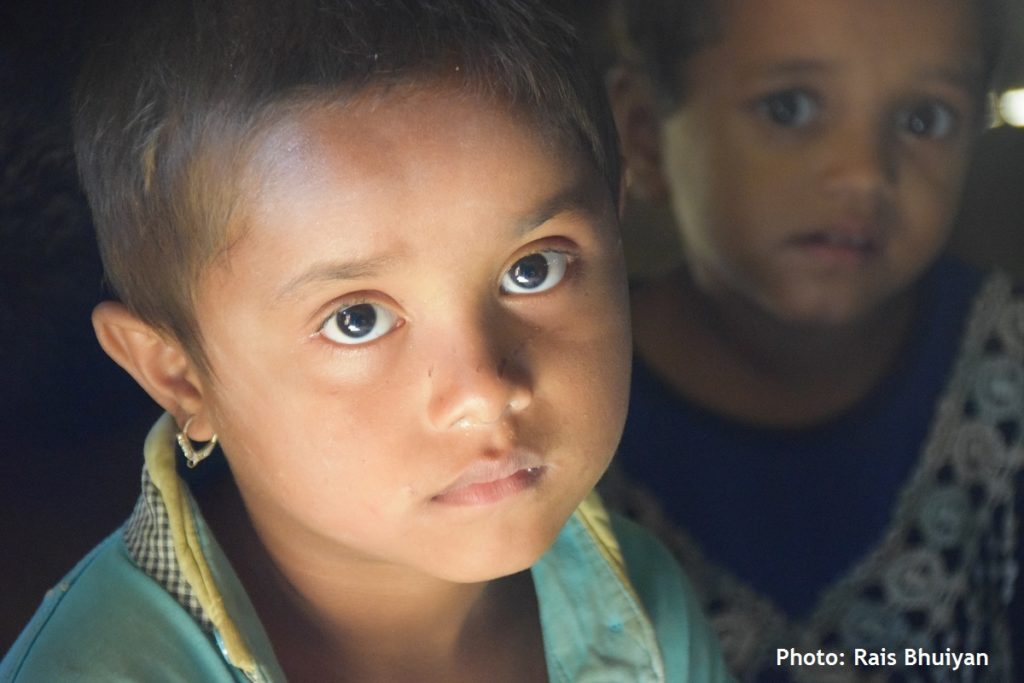 In Bangladesh, I met children at the largest refugee camp in the world. These individuals traveled day and night to cross the border, constantly fearing the Myanmar military’s violence. In Germany, I encountered children from Syria, Iraq, and African countries who once dreamt of becoming doctors and engineers like their parents or loved ones, their dreams overshadowed by an uncertain future. A young adult from Afghanistan, whom I met in Germany, shared that he was born in war, never knowing a single day without bloodshed and death. Despite this, having secured refugee status in Germany and learning the language, he was hopeful about attending medical school and serving humanity.
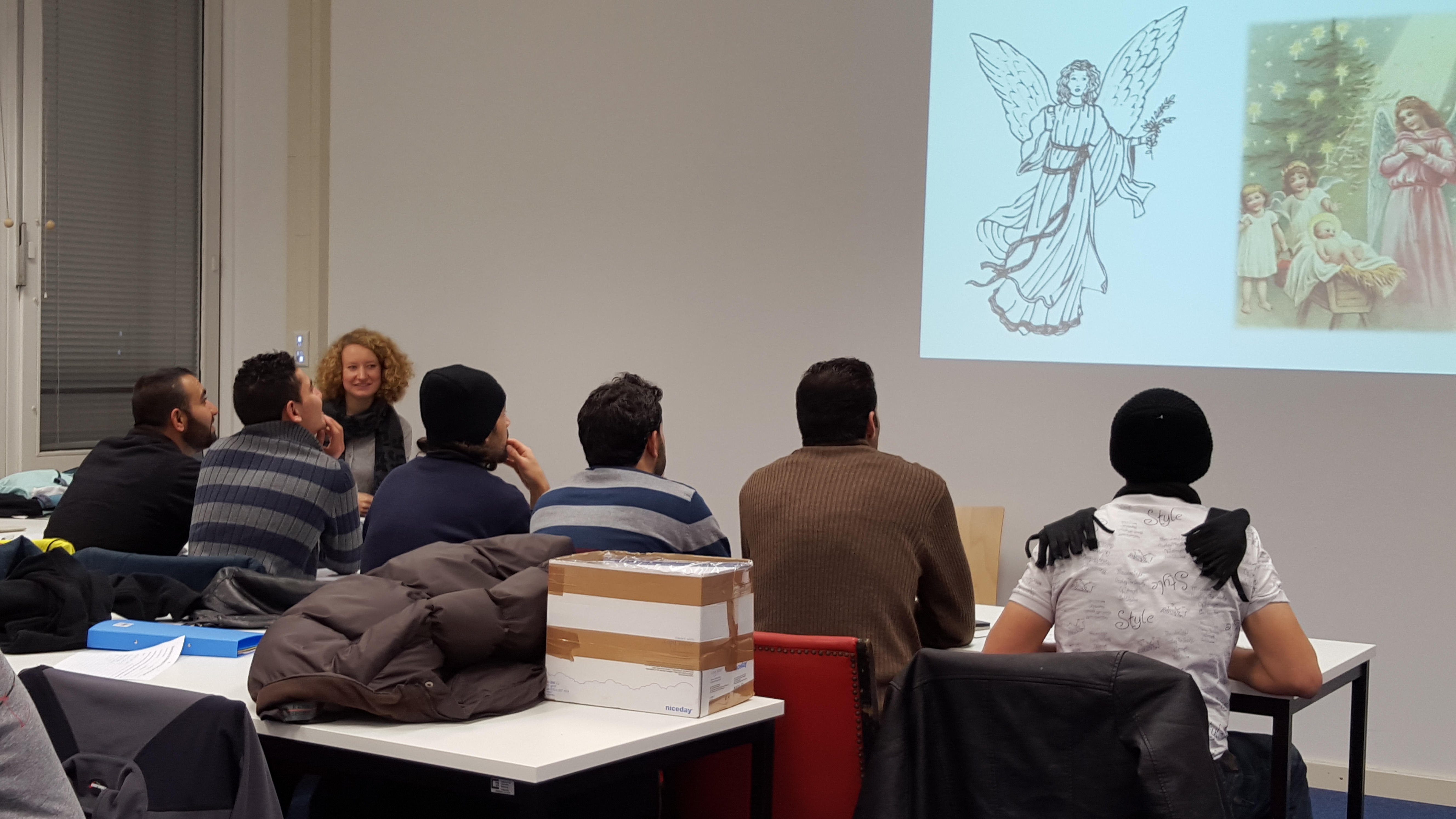 During a visit to a facility in Germany, I met university students, doctors, lawyers, and pharmacists who spend their evenings teaching refugees the German language. When I asked why they were doing this despite their demanding schedules, they responded, “We don’t want to be defined by our previous generations’ mistakes, but rather by what we’re doing for humanity.” This response deeply moved me. These young German students are paving the way for a world built upon empathy, dignity, and humanity, offering valuable lessons for all of us.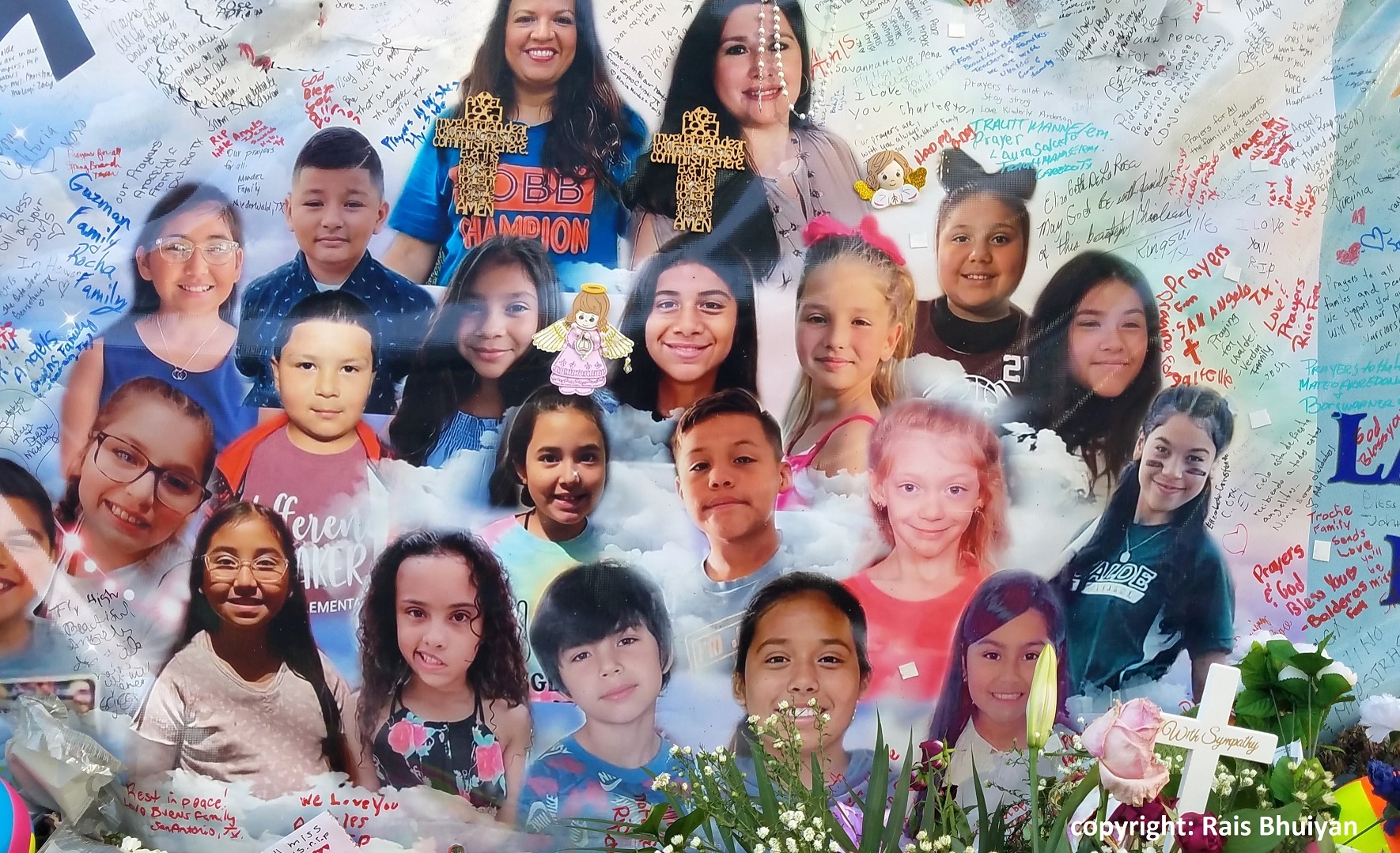
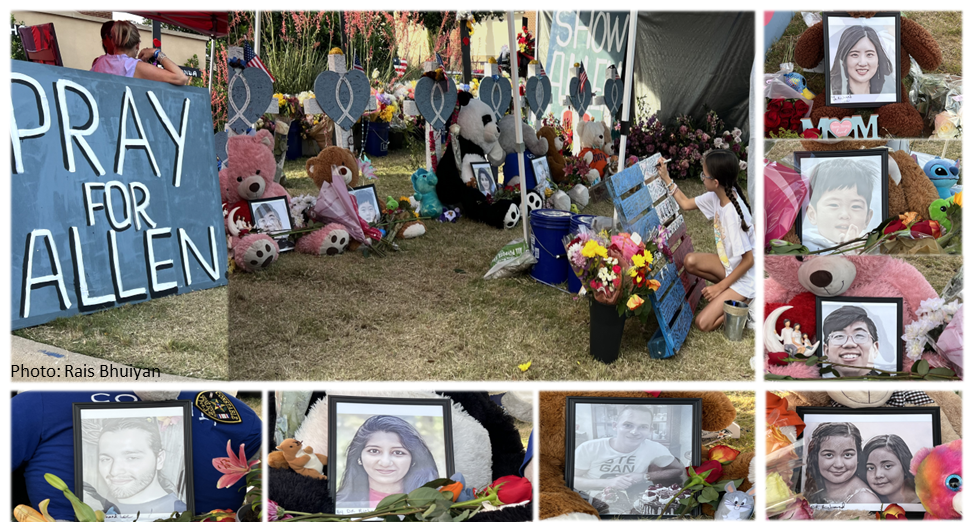
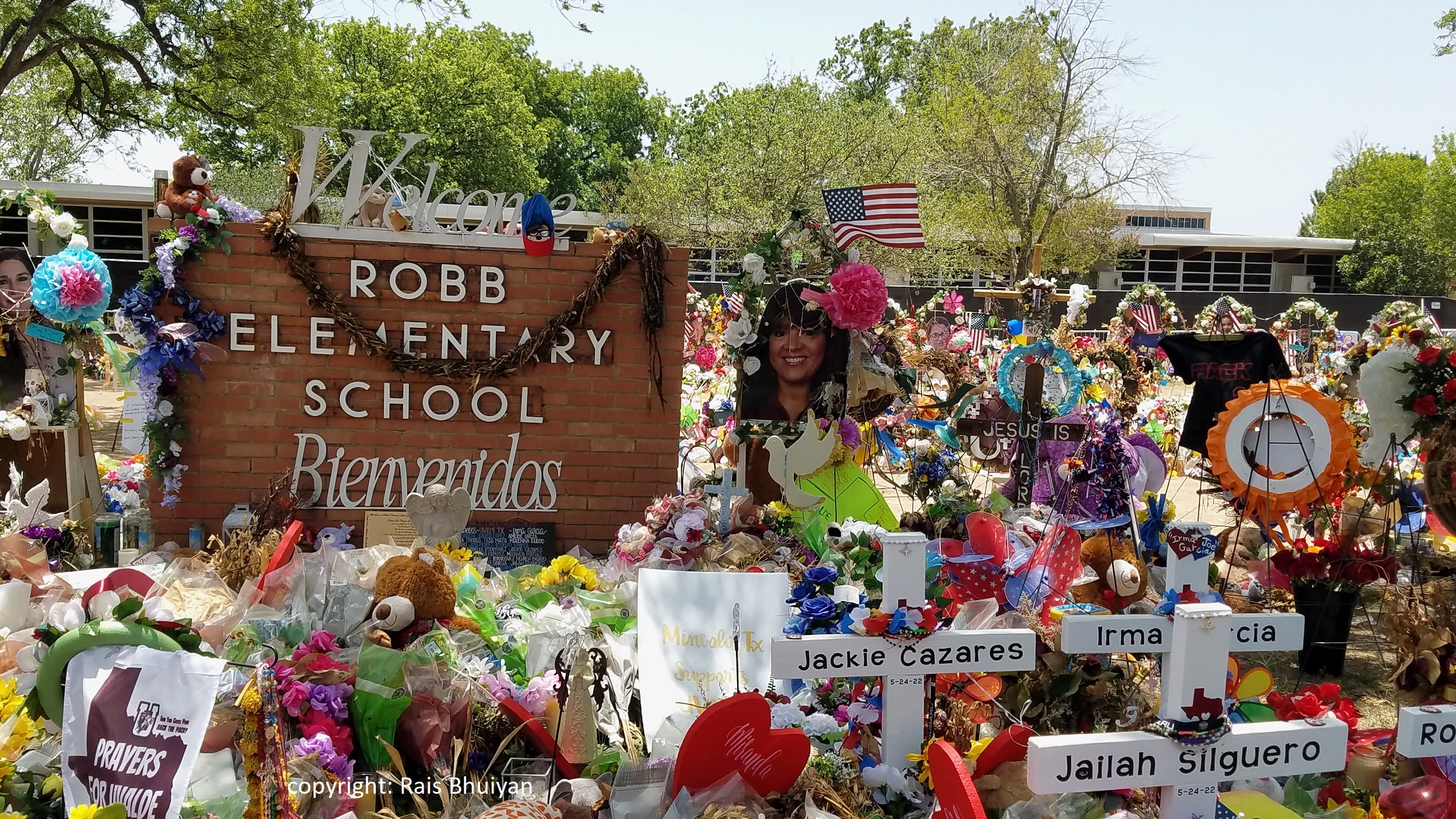
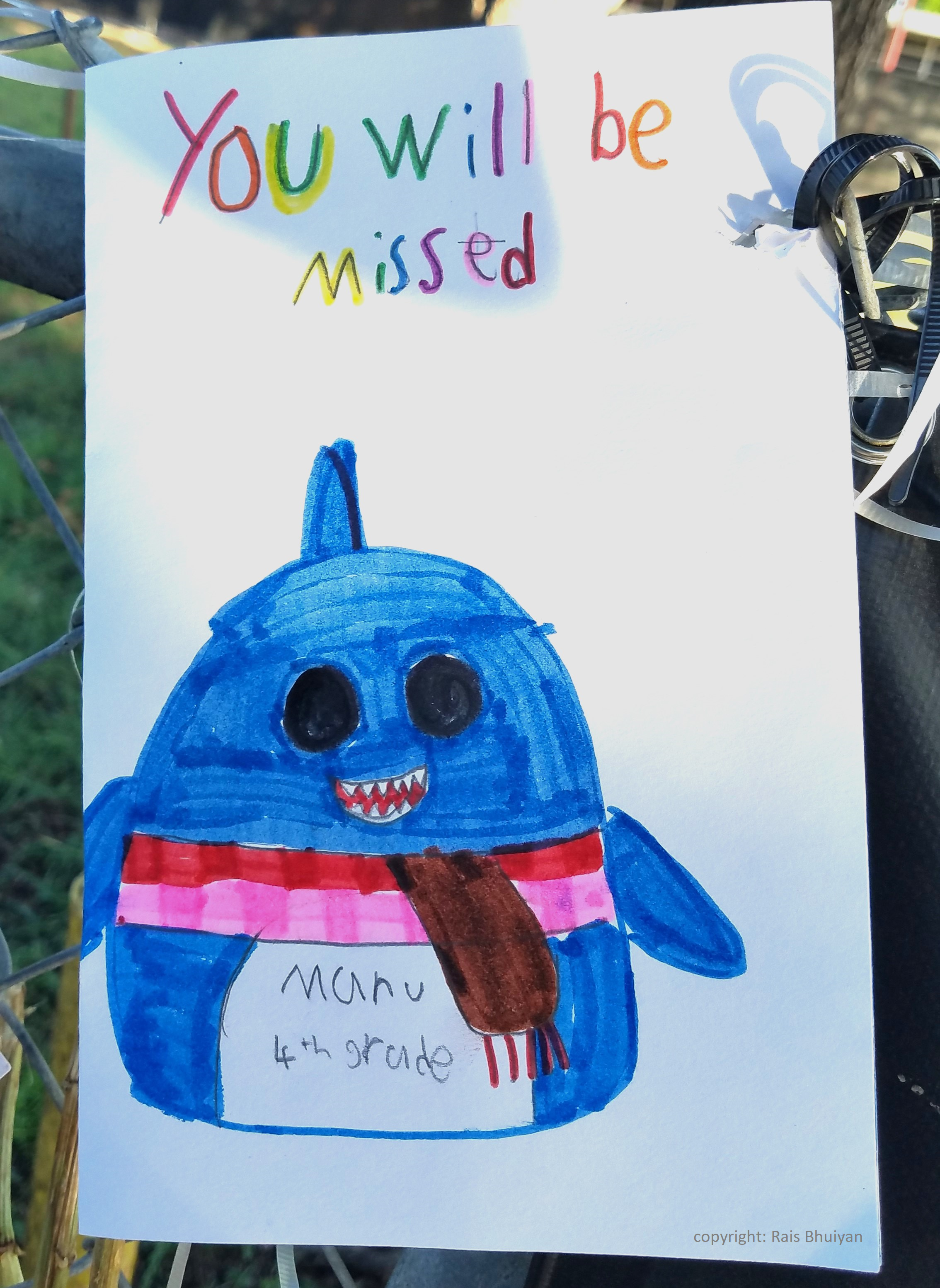
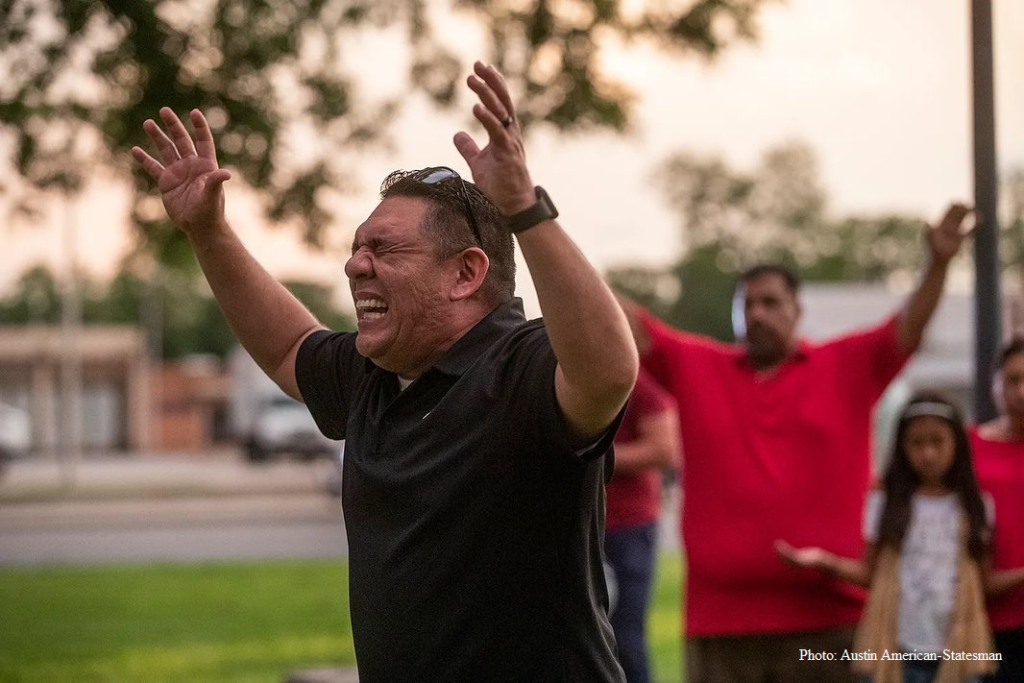
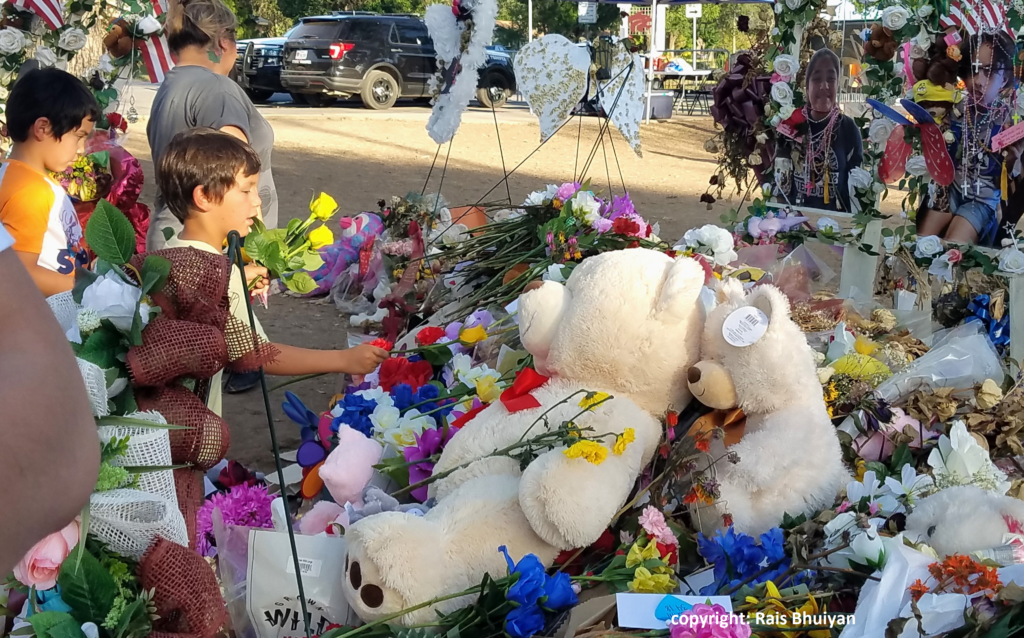 heavy with grief, a profound pain weighed on my chest, and tears filled the eyes of everyone silently passing by. I witnessed children, some no older than six or seven, offering flowers as a token of love and respect for their fallen peers. As I sat on the ground, paralyzed with sorrow, I was once again transported to the moments when I lay on a cold, concrete floor, my own blood pooling beneath me, having been shot in the face by a white supremacist in the aftermath of 9/11. I could not comprehend the thoughts that must have consumed those little angels during these similar, terrifying moments of life and death. Did they cry out for their mothers as I did? How can those who claim to be civilized allow such barbaric and senseless killings to occur — and repeatedly? How can our elected officials, those who possess the power to halt this madness, turn a blind eye to their fellow human beings, their own children, loved ones, and even the God they proclaim to pray to when these catastrophic events occur?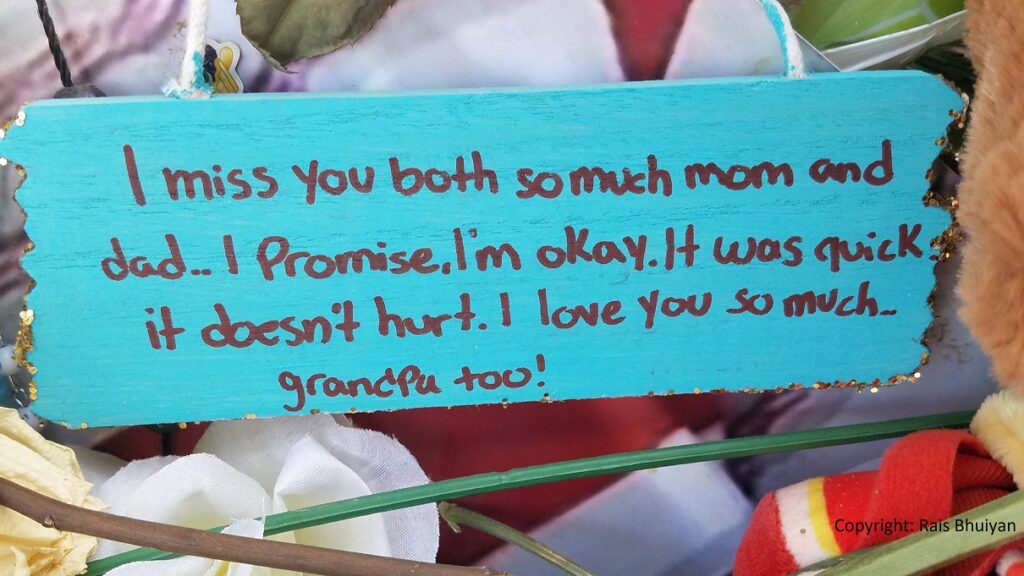
 Anti-Muslim sentiment was immediate. My faith and dark skin now made me feel like a target. I realized my life in America would never be the same. In the instant it took the pull the trigger, my American dream turned nightmare. I lost everything except for my life, but held tightly to my hopes, dreams, and faith. Though my face and skull are riddled with bullet fragments, and I lost sight in one eye, but gained another kind of vision in my heart, a vision to help create a world based upon mutual respect, dignity, and understanding where we, and our next generations, can coexist peacefully. While I continue to make peace with my pain, there isn’t a day that goes by that I’m not reminded or affected by my attack.
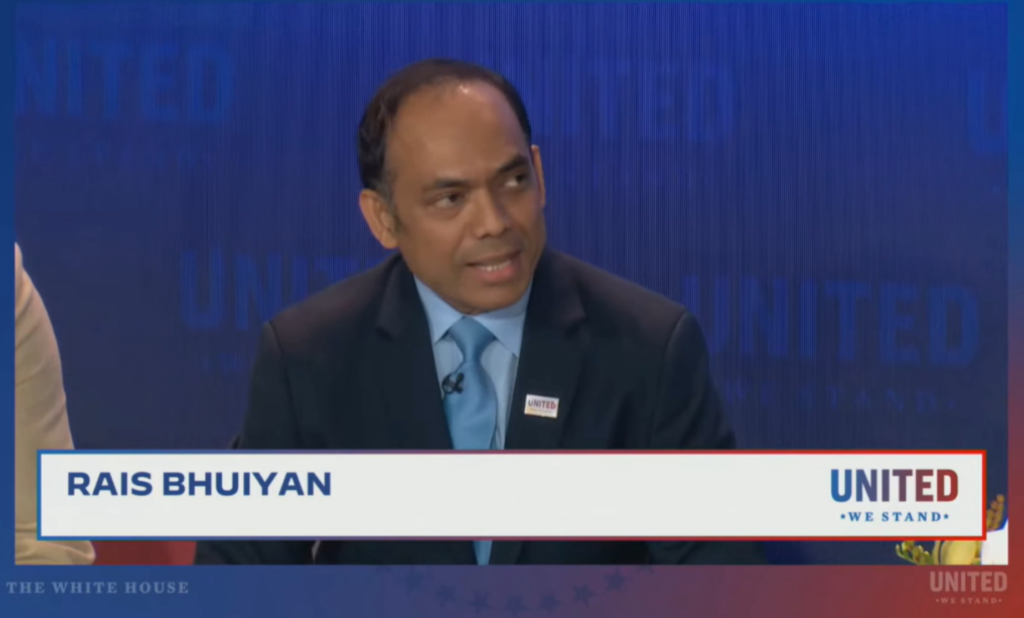 Occasionally, I hear that my story is “old” and too many people only know me as a 9/11 hate crime survivor. While it may seem irrelevant to most, I believe it is vital to continue sharing stories like mine because tragically, hate fueled violence continues to grow in our country. And those of us who bear the brunt don’t have the luxury of putting the experience behind us — ever. The ongoing physical, mental, and emotional ramifications of being a hate crime victim are felt every day. Every. Single. Day. Part of my mission to prevent and disrupt hate and violence is to save others from having to live a life like mine. I wish it for no one.
 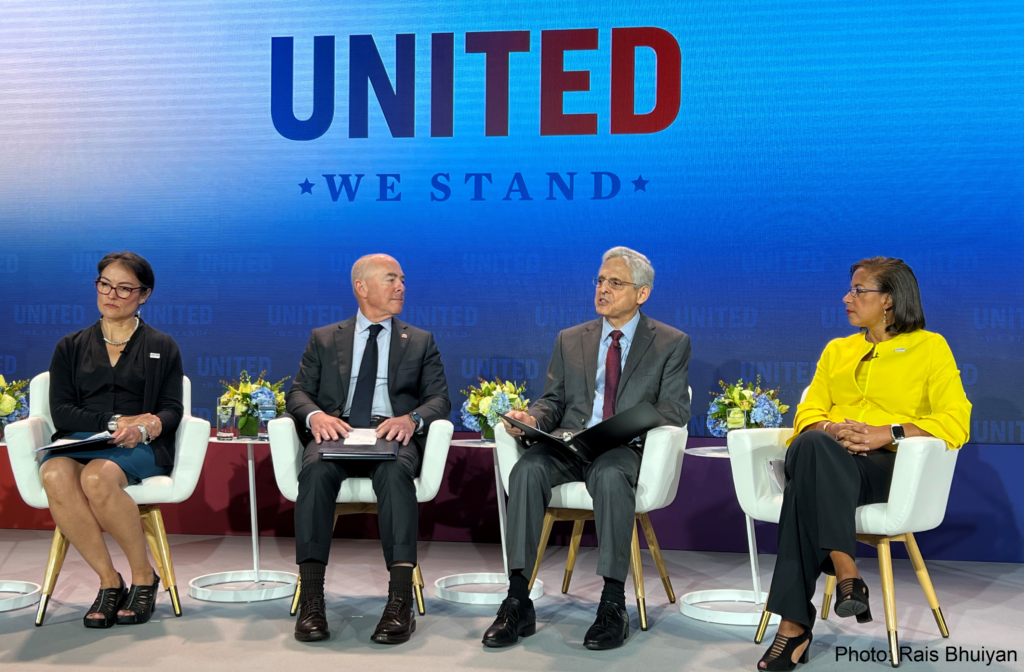 Islamophobia is used to create misinformation, intolerance, fear, and hate against a group of people still truly unknown to most. This is ultimately why I was attacked. It is also why I continue to live in fear, never knowing exactly how someone might perceive me along the way. Islamophobia is used as a political weapon — to energize political bases and to divert voter focus from actual, fact-based issues, aiding in political and personal gain. We saw it with former president Obama during his presidential campaigns and we saw it again during the 2016 and 2020 elections. The seed of intolerance, fear, and hate against Blacks, Hispanics, Asian-Americans, Muslims, Jews, Sikhs, LGBTQ, and non-binary folks, and too many others has been nurtured by more power and money than the rest of us can fight against. Prime examples include the evil manifested and displayed on Jan 6th and the rise of anti-Asian hate due to Covid.
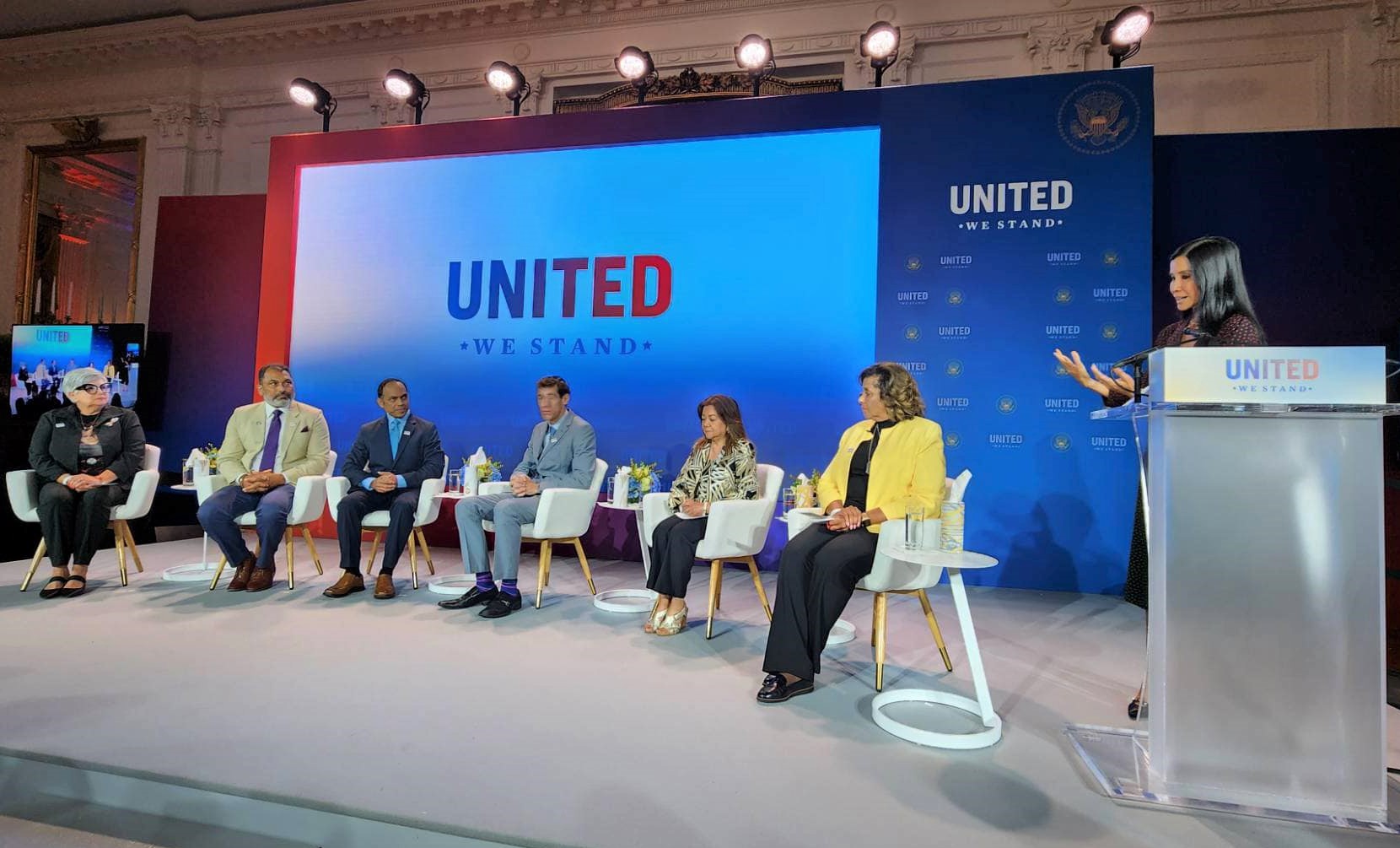
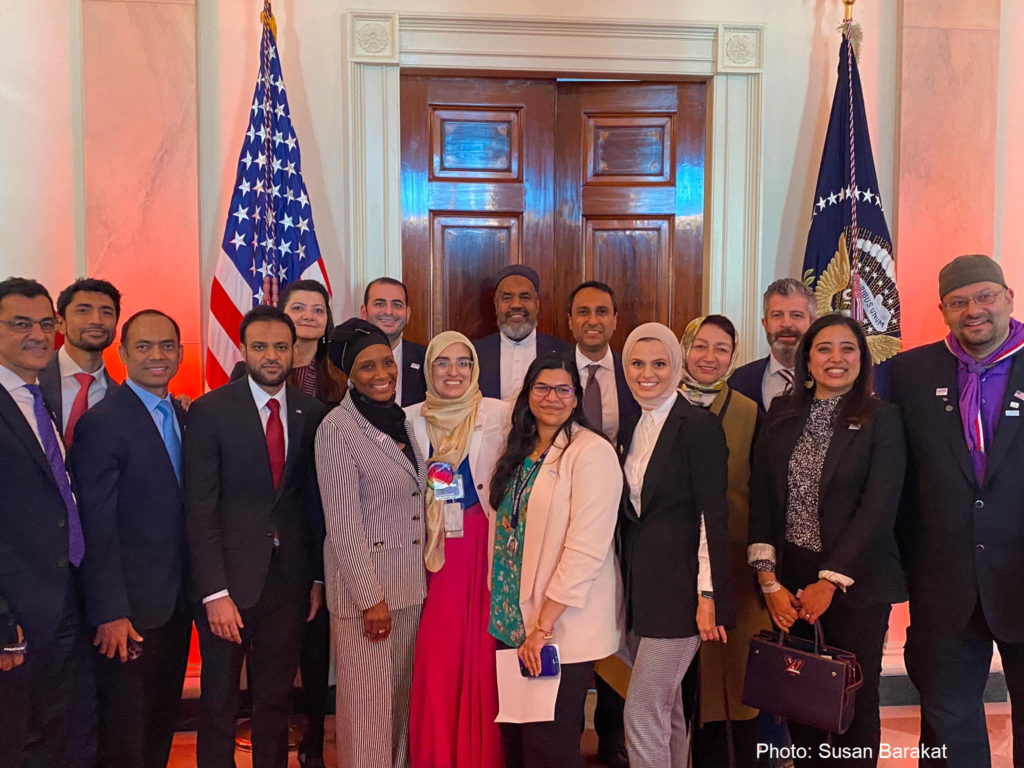
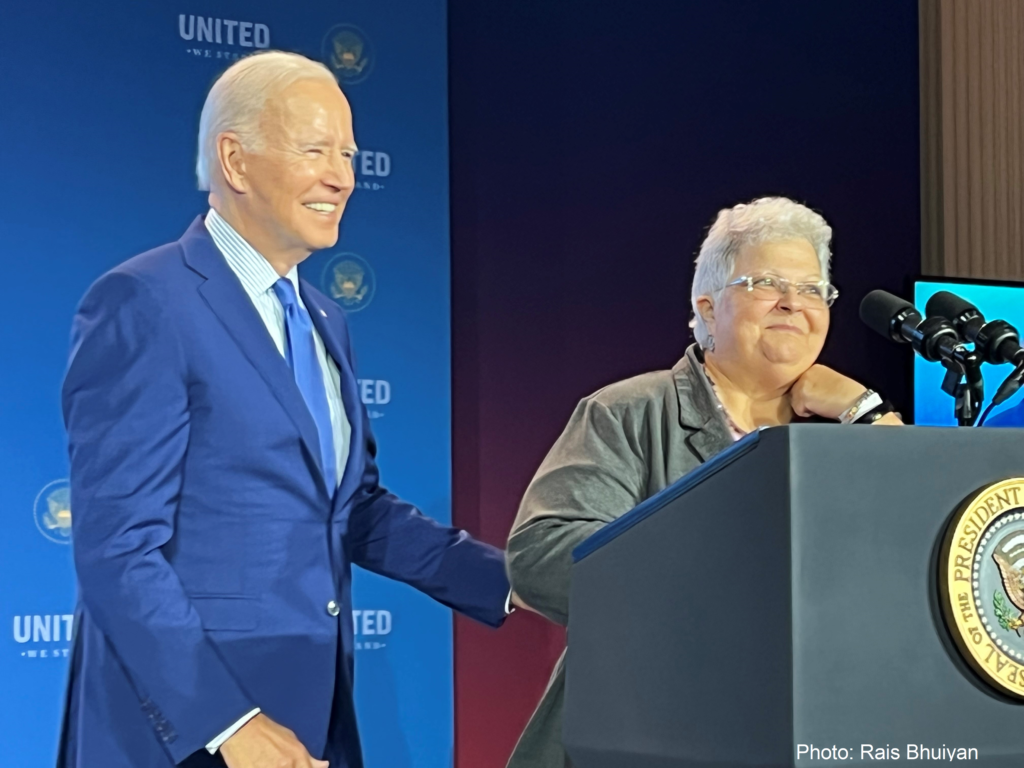 It’s never too late to do the right thing. I do applaud the Biden-Harris administration for focusing on this issue, taking initiative to prevent the further fragmenting of our nation, working with people across party-line and encouraging all Americans to come together, and to find ways to prevent and disrupt hate and violence. Each of my fellow panelists at the United We Stand Summit – Mayra, Vilma, Pardeep, Joseph, and Dawn have paid the ultimate price because of hate fueled violence. While carrying life-long pain, we have all found purpose – a shared purpose to combat hate and find our way to a more united nation. While the White House’s Summit was just one day, the hard work continues. I am encouraged by the promises Vice President Harris, Ambassador Rice, President Biden and all who shared the vision for ongoing community-wide collaborations made to us. I echo the sentiment of everyone in the East Room on September 15th – we won’t let hate win. There’s nothing that we can’t fix or achieve when we work together.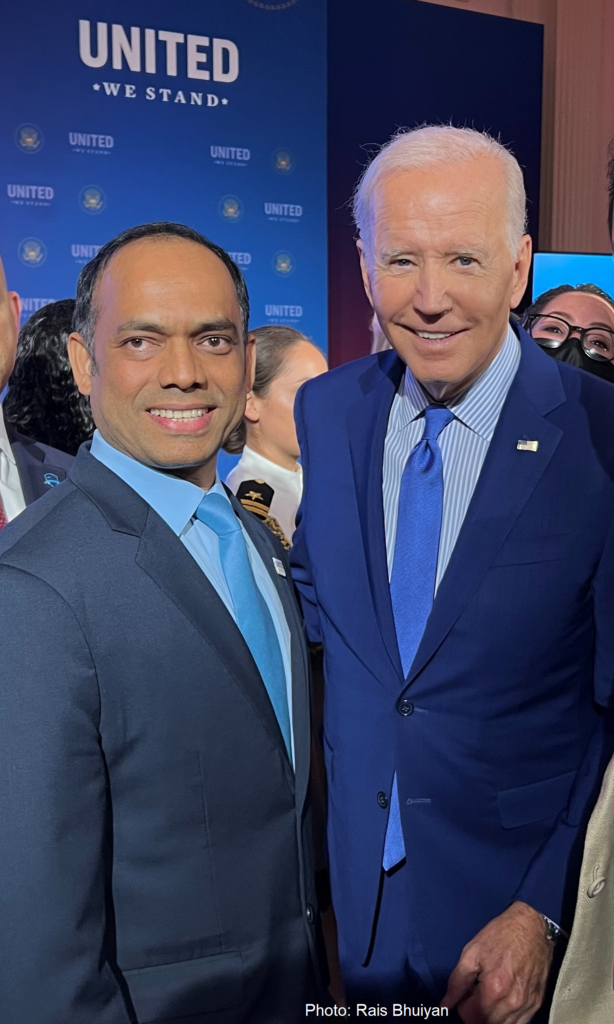
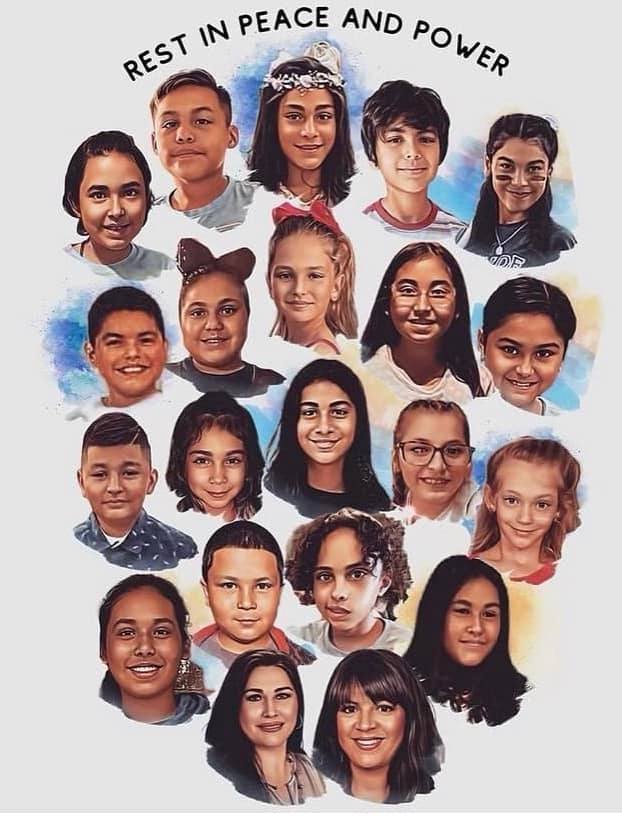
 The gunman in the Uvalde school shooting, like so many others, waged weapons of war on classrooms filled with young, innocent children. In addition to his AR-15, he had hundreds of rounds of ammunition. Most of his victims so horrifically disfigured, they could only be identified via DNA identification. Can you imagine this? If your child, or a child you love, was the victim of the gruesome massacre in Uvalde, how would you feel right now? Is this something you can even wrap your head around? What would you expect from society and leaders who have the power to stop these kinds of senseless, brutal slaughters?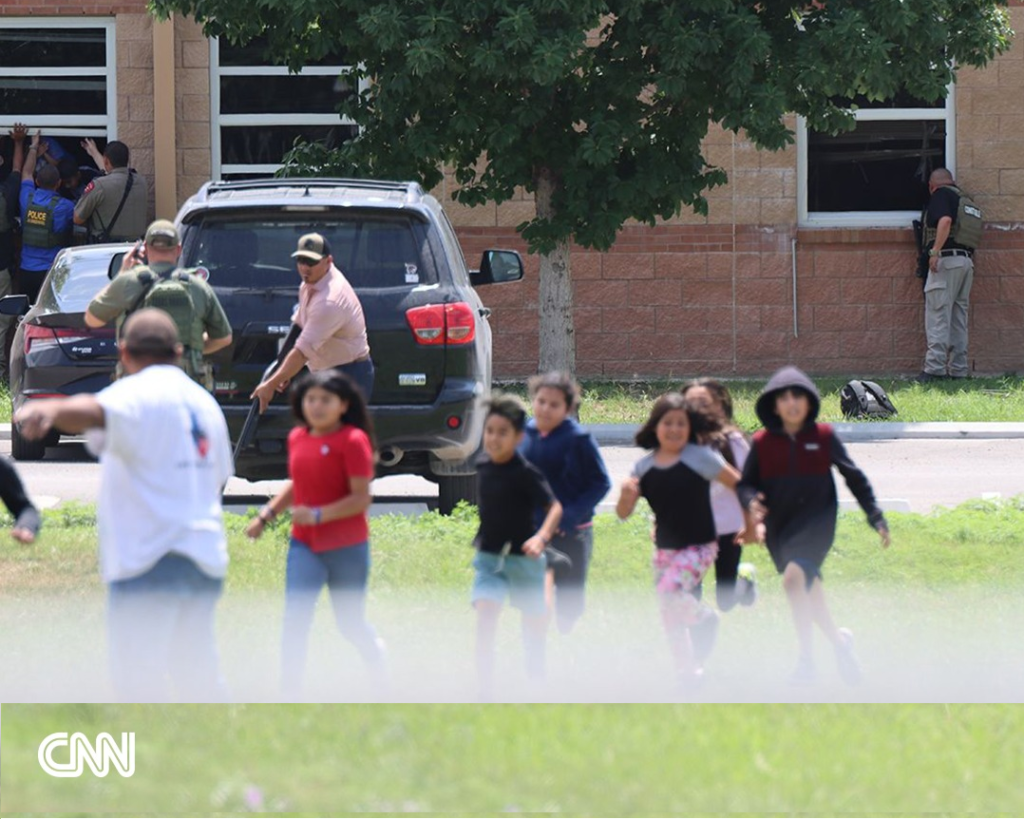
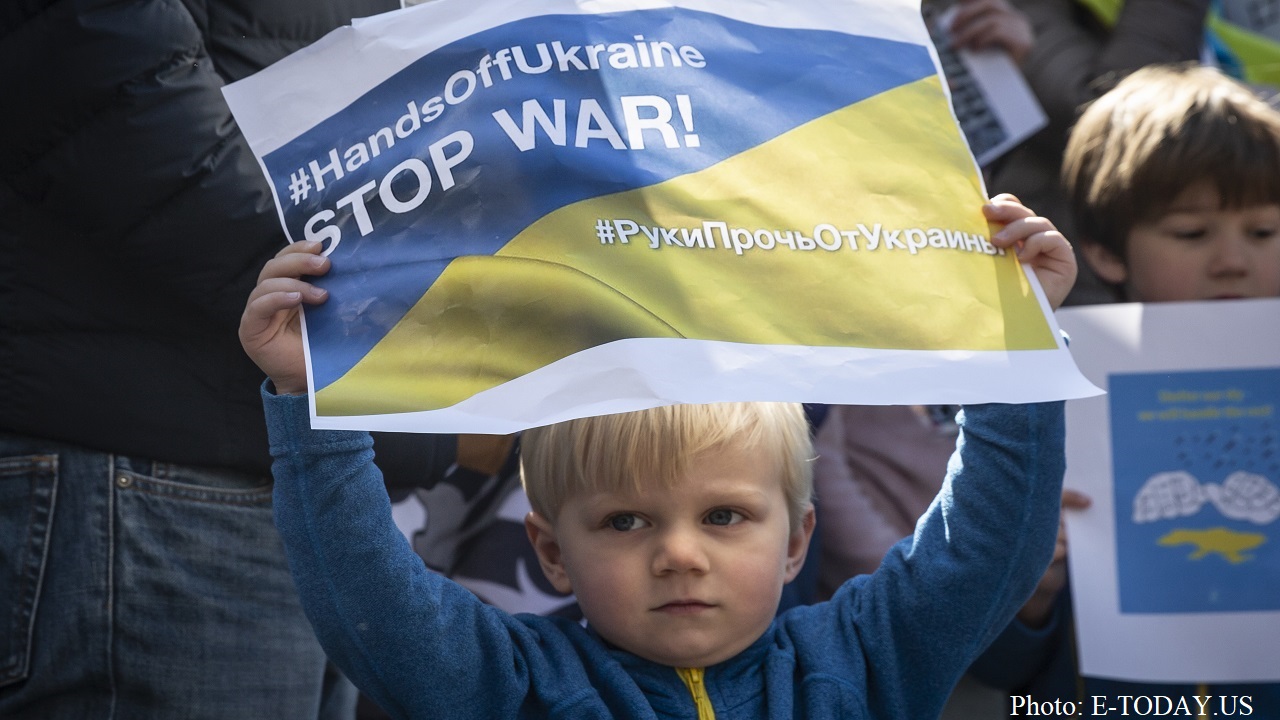
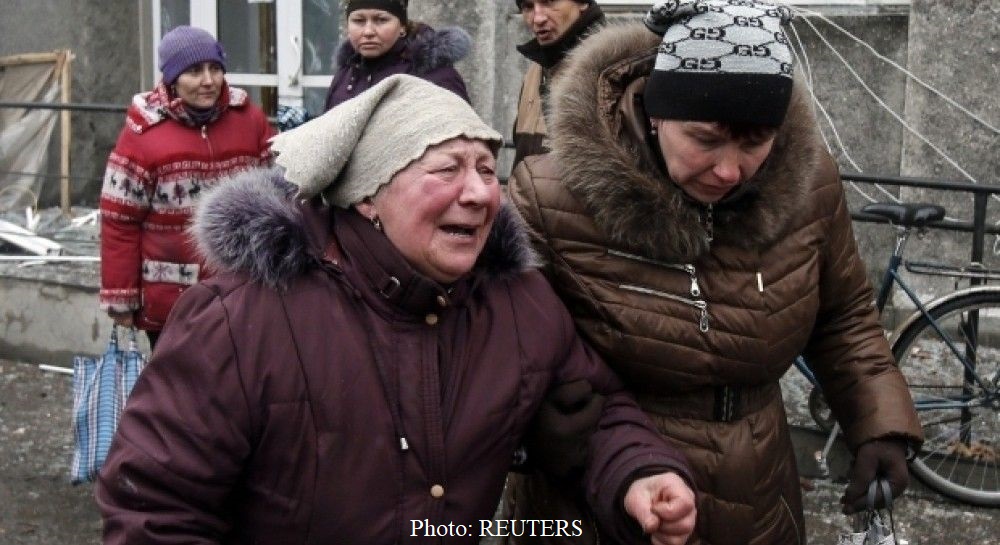 Older folks facing horrors and trauma they never imagined experiencing again, most angry they are too old to fight. When war like this breaks out, we remember the preciousness of life.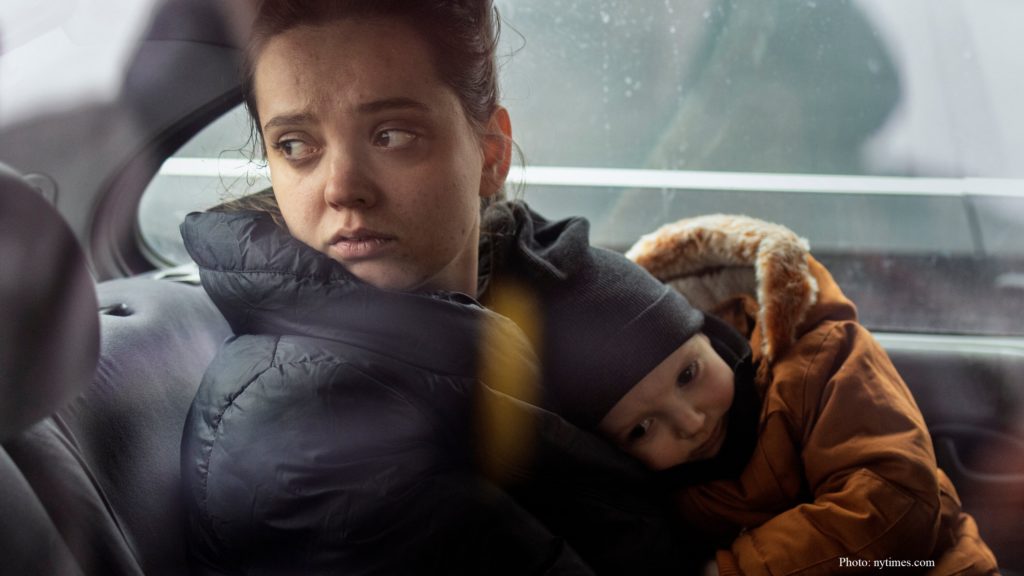
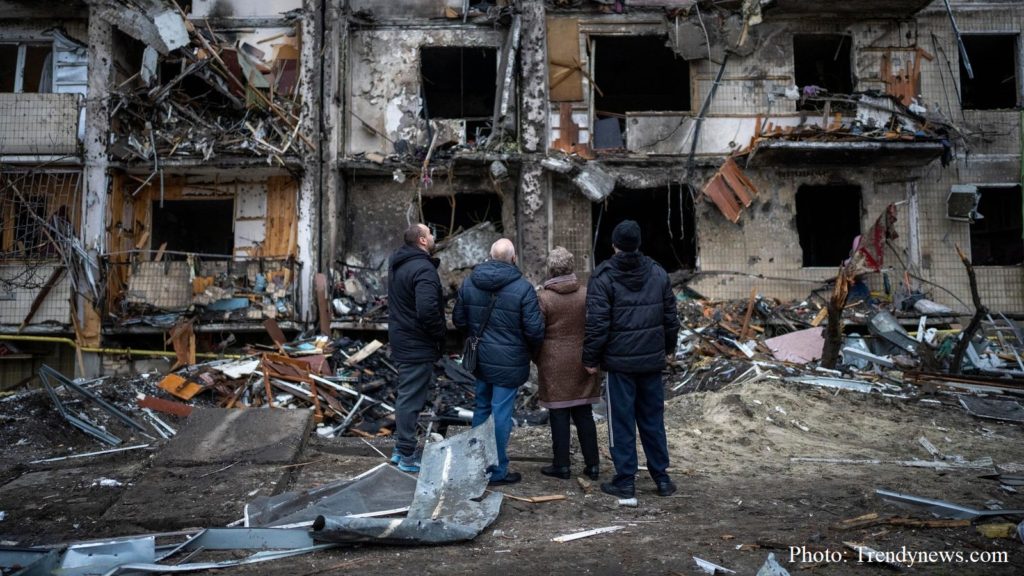 “Every gun that is made, every warship launched, every rocket fired signifies in the final sense, a theft from those who hunger and are not fed, those who are cold and are not clothed. This world in arms is not spending money alone. It is spending the sweat of its laborers, the genius of its scientists, the hopes of its children. This is not a way of life at all in any true sense. Under the clouds of war, it is humanity hanging on a cross of iron.”