We like to believe our views are the product of independent thought. In reality, they are often shaped by the environments we grow up in and the people we surround ourselves with. Our assumptions, biases, and even our sense of truth are influenced long before we begin to question them.
That questioning rarely happens without distance. It is only when we step outside familiar surroundings – when we encounter different people and perspectives – that we begin to see more clearly. Not only who we are, but how we became that way.
That moment of distance creates clarity. And clarity creates the possibility for change.
A Different View Changes Everything
Astronauts who have seen Earth from space often speak about a profound shift in perspective. Looking down at our planet, they don’t see borders, divisions, or conflicts. They see a fragile, beautiful blue world, shared by all of us.
As one reflection from the Artemis astronauts captures:
“What we really hope is that we could, for just a moment, have the world pause and remember that this is a beautiful planet in a very special place – and that we should cherish what we’ve been given.”
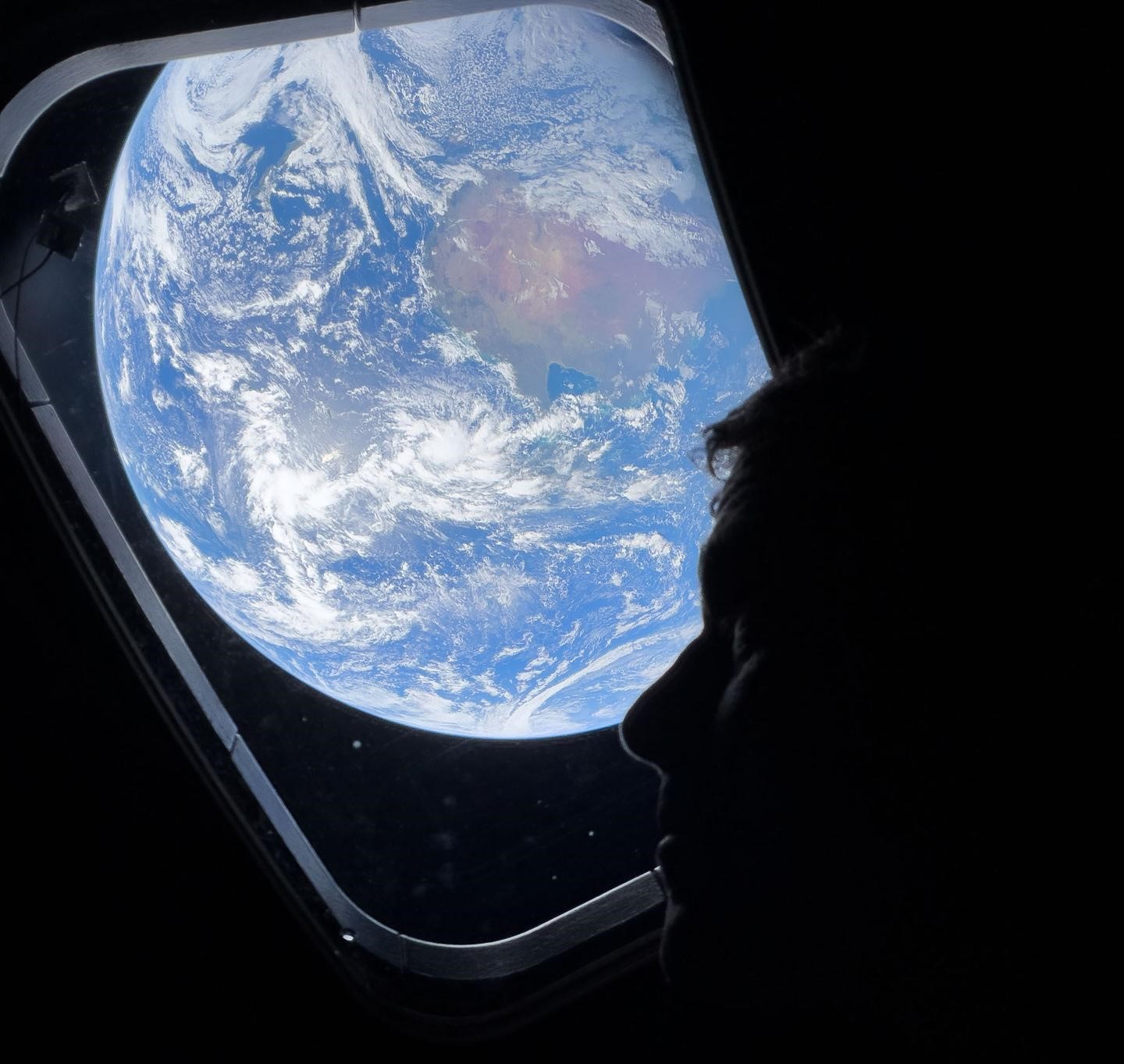 Photo: NASA
They are human beings, just like us. Yet what they saw changed how they felt – filling them with awe, gratitude, and responsibility.
Now imagine if those driving conflict, violence, and division could see that same view.
Would they still justify destruction? Would they still dehumanize others so easily?
You Don’t Need to Go to Space
Not everyone can leave Earth to gain that perspective. But the truth is – we don’t need to.
We can change our perspective by changing our environment.
By stepping outside our comfort zones.
By engaging with people we don’t know, don’t understand, or even disagree with.
Because it is in those unfamiliar spaces that empathy begins to grow.
The World We Create
The world we build through hate, violence, and dehumanization does not end with us.
It continues.
It becomes a cycle – one that produces more pain, more division, more destruction.
And one day, the next generation will inherit that world and ask:
Why did they choose this?
History has shown us that those who try to dominate through hate eventually fade.
But the scars they leave behind – on people, on communities, on humanity – remain.
 Photo: NASA
A Shared Responsibility
At the same moment astronauts captured images of Earth’s breathtaking beauty, others were turning parts of that same planet into places of suffering and darkness.
That contrast is not just tragic – it is a choice. Because no one owns this planet. We all belong here.
We all have the same right to exist, to live with dignity, and to be seen as human.
A Different Choice
What if we chose differently?
What if we chose to see one another as human first?
To respect, to listen, to understand – even when it’s difficult?
The Earth is vast.
It has enough to meet every person’s need,
but not enough to satisfy unchecked greed.
We have been given something extraordinary:
a shared home, full of possibility.
The Invitation
We don’t need rockets to change the world.
We need reflection.
We need courage.
We need empathy.
Step outside your environment.
Meet someone different.
Listen to a story that challenges your own.
Because when we change what we see,
we change how we feel.
And when we change how we feel,
we change what we do.
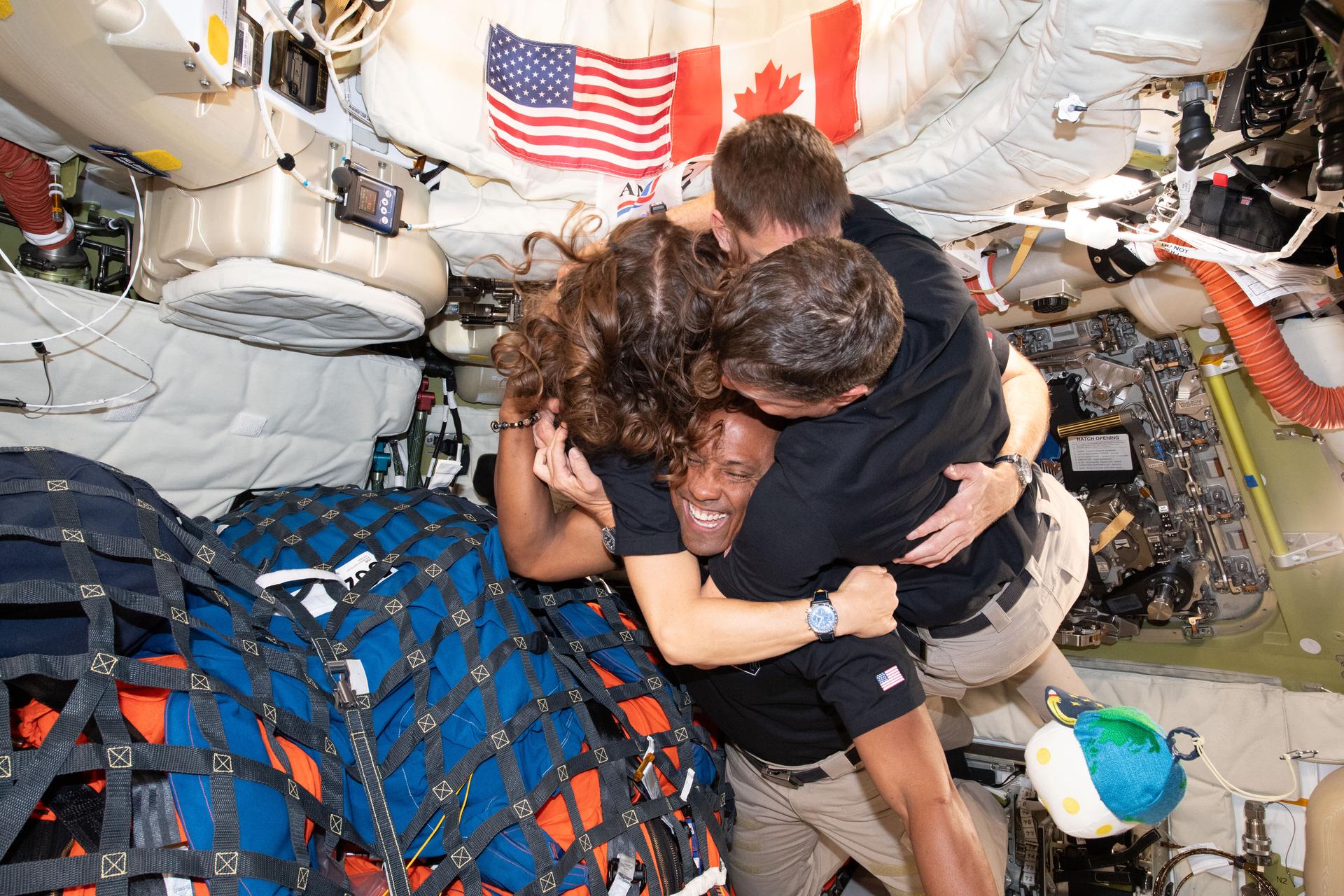 Photo: NASA
The Future Is Ours to Shape
We have the power to keep this world beautiful –
not just for ourselves, but for those who come after us.
So let’s choose wisely.
Let’s choose empathy over hate.
Understanding over division.
Humanity over everything else.
Because this planet was never meant to be divided by us –
it was meant to be shared.
~ Rais Bhuiyan, Founder, World Without Hate
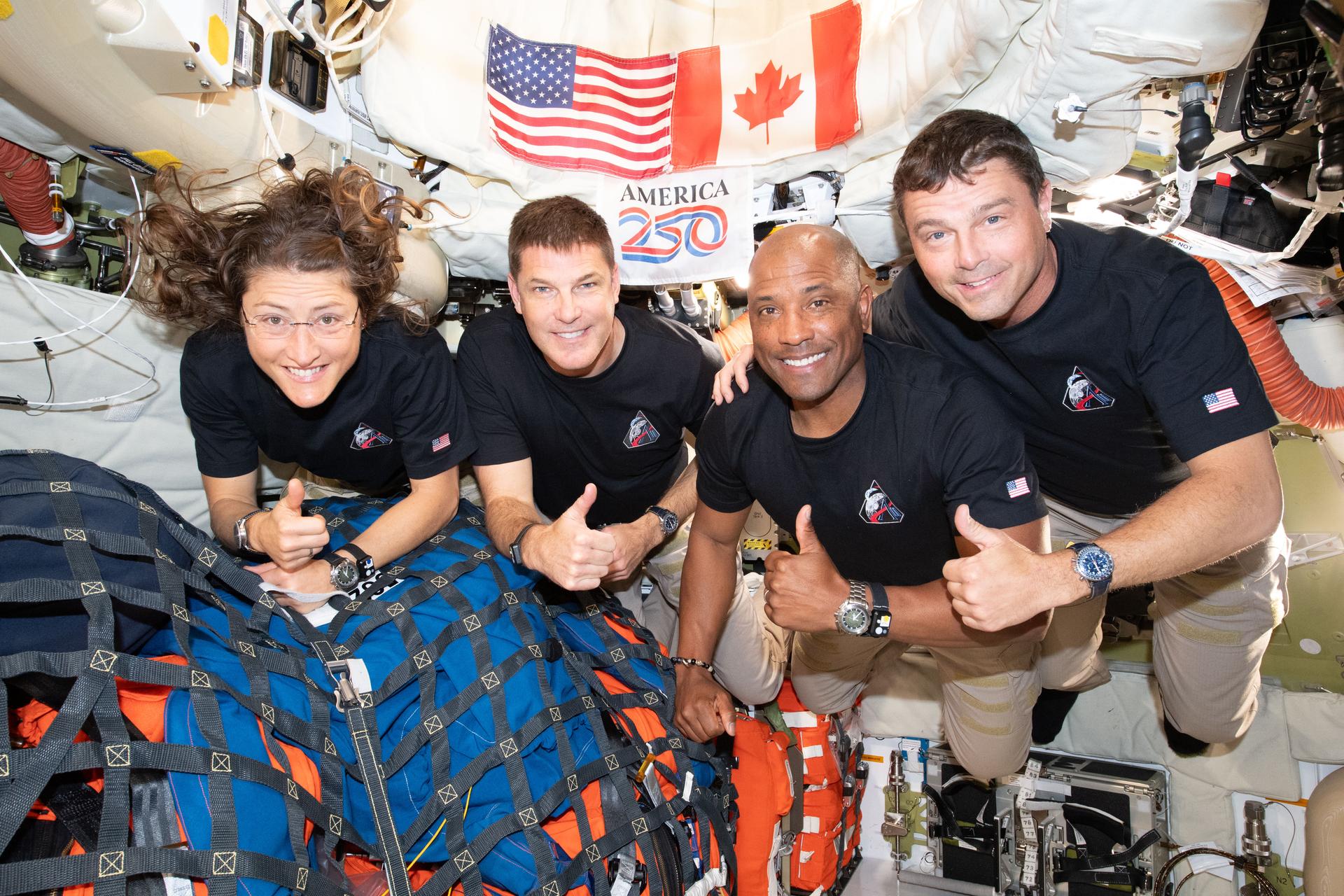 Photo: NASA

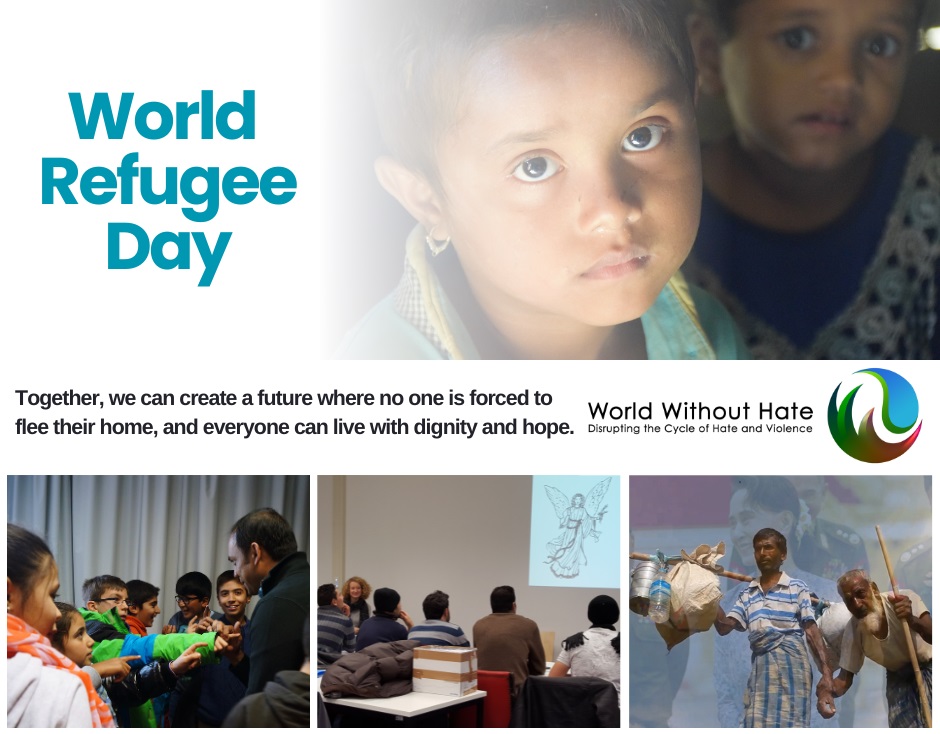
 Refugees are human beings. Individuals who’ve fled their countries to escape violence, persecution, war, ethnic cleansing, and genocide, seeking safety and security in another nation. According to the UNHCR, at least 117.3 million people around the world have been forced to flee their homes. Of the nearly 43.4 million current refugees, around 40% are under the age of 18. There are also millions of stateless people who have been denied a nationality and lack access to basic rights such as education, health care, employment, and freedom of movement.
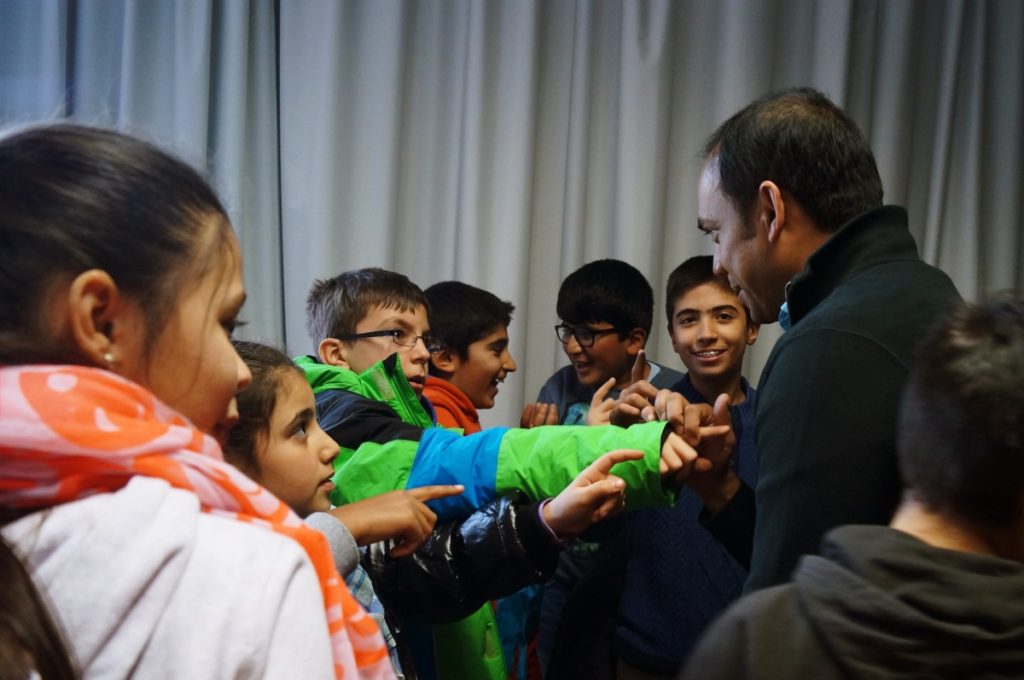
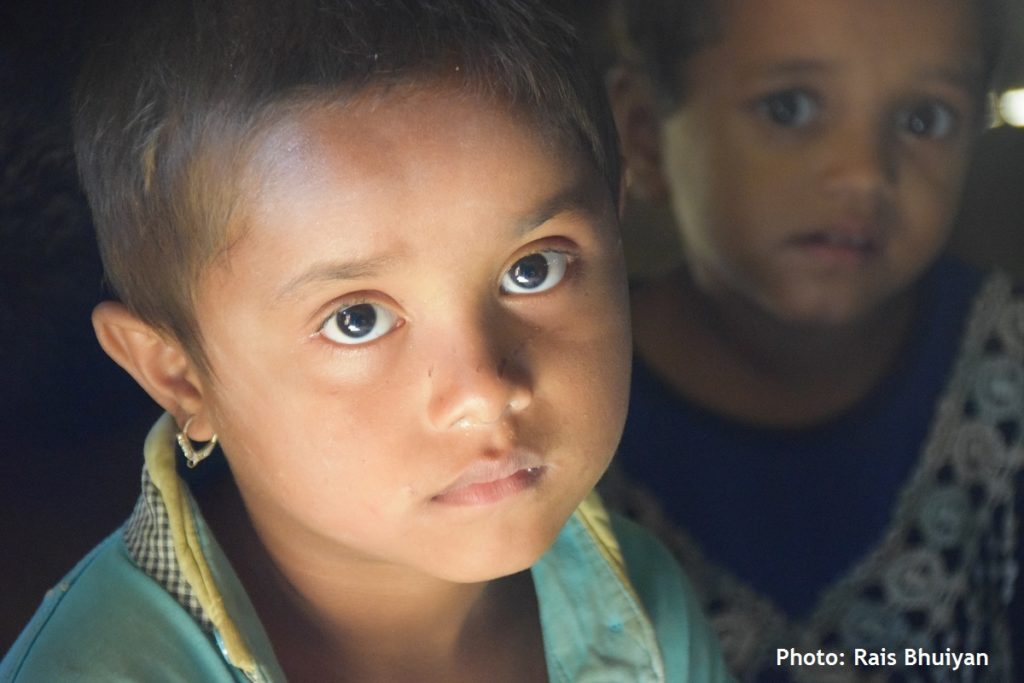 In Bangladesh, I met children at the largest refugee camp in the world. These individuals traveled day and night to cross the border, constantly fearing the Myanmar military’s violence. In Germany, I encountered children from Syria, Iraq, and African countries who once dreamt of becoming doctors and engineers like their parents or loved ones, their dreams overshadowed by an uncertain future. A young adult from Afghanistan, whom I met in Germany, shared that he was born in war, never knowing a single day without bloodshed and death. Despite this, having secured refugee status in Germany and learning the language, he was hopeful about attending medical school and serving humanity.
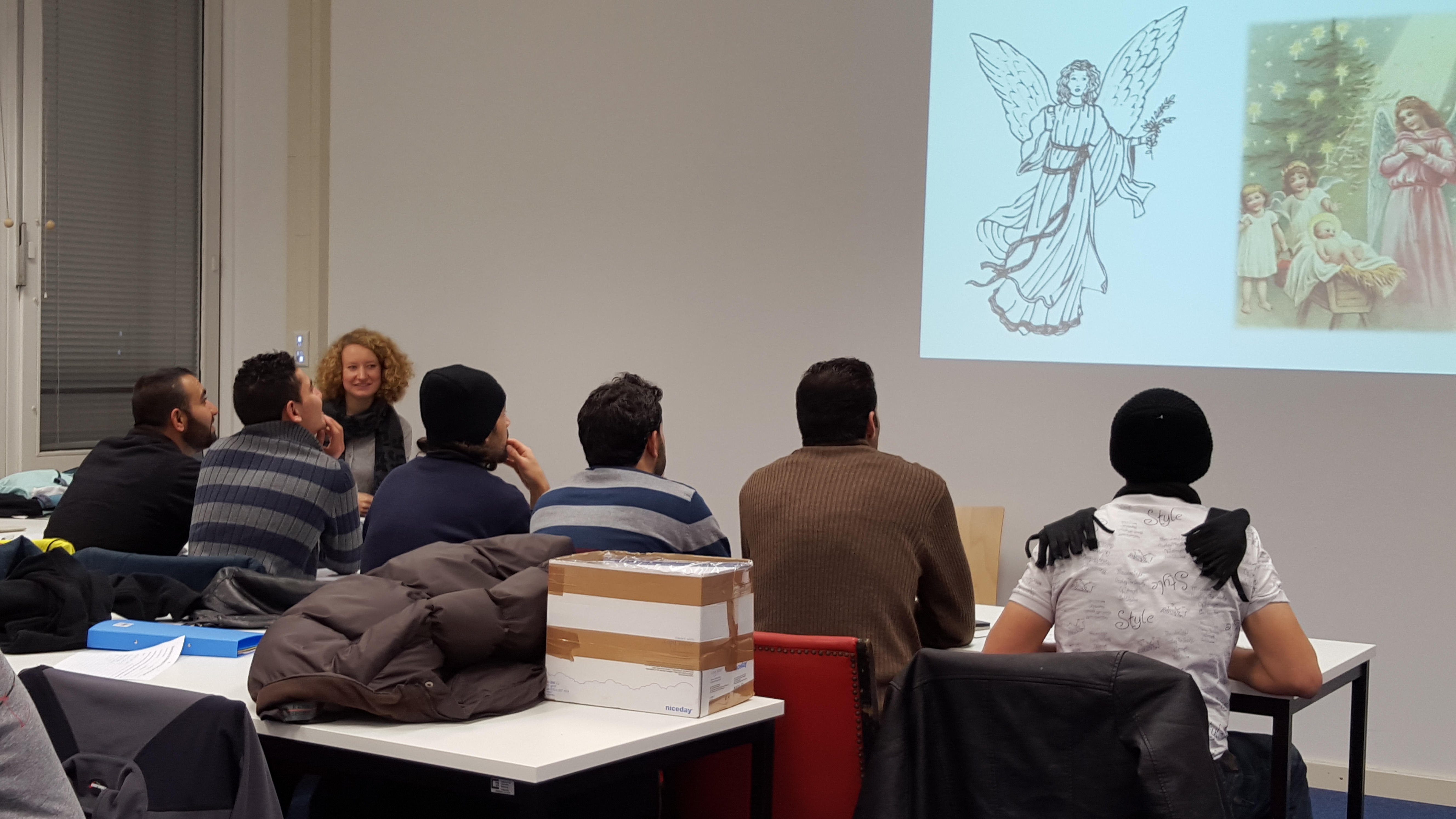 During a visit to a facility in Germany, I met university students, doctors, lawyers, and pharmacists who spend their evenings teaching refugees the German language. When I asked why they were doing this despite their demanding schedules, they responded, “We don’t want to be defined by our previous generations’ mistakes, but rather by what we’re doing for humanity.” This response deeply moved me. These young German students are paving the way for a world built upon empathy, dignity, and humanity, offering valuable lessons for all of us.
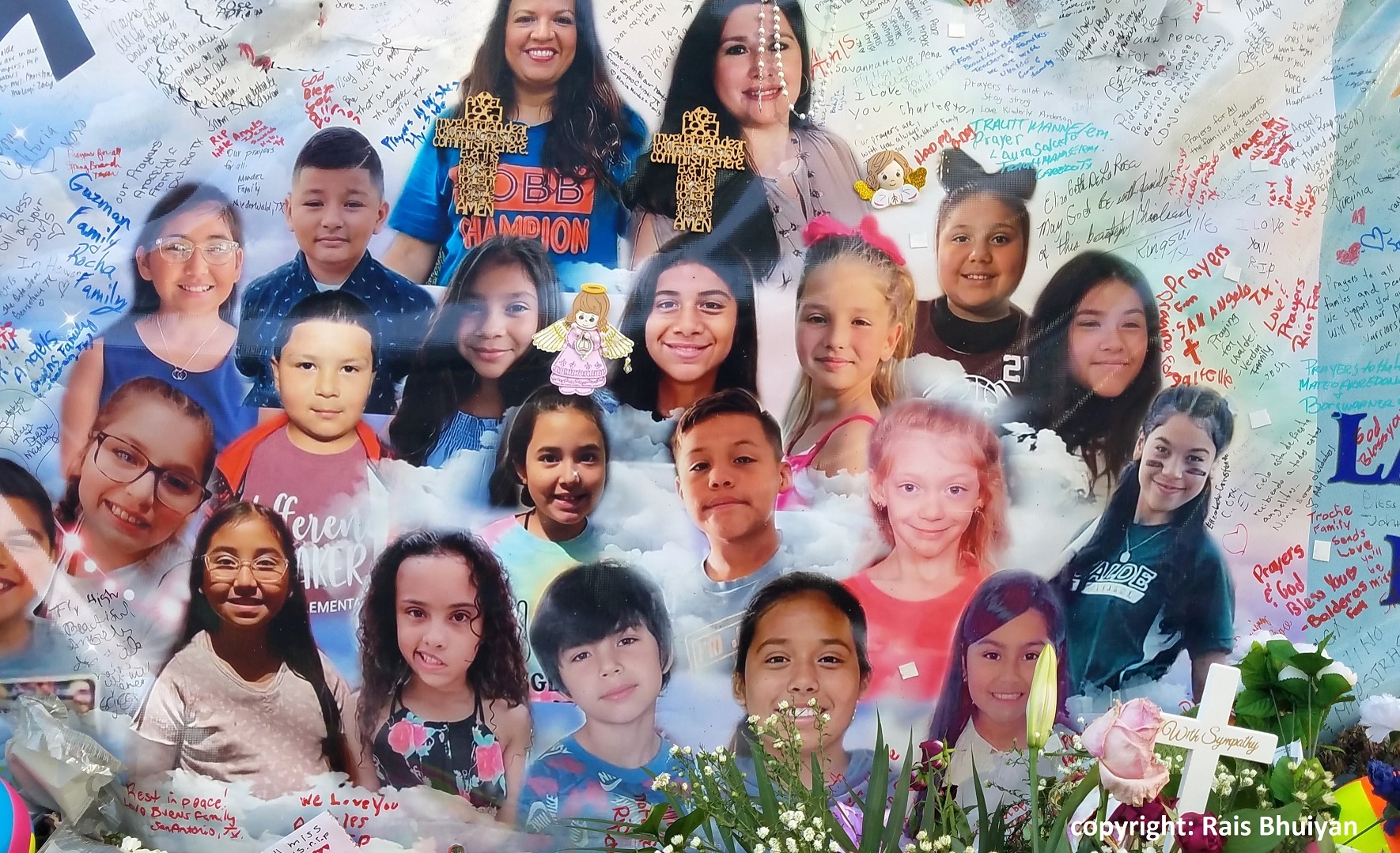
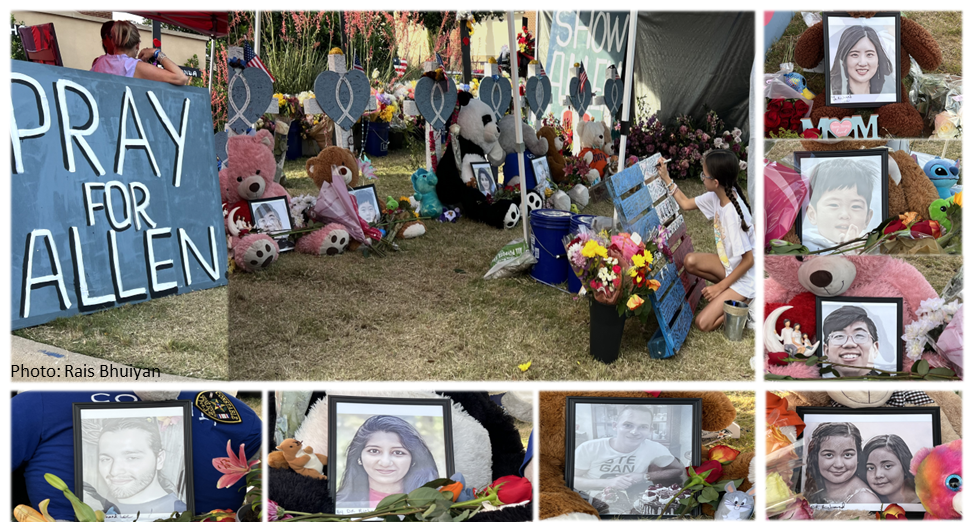
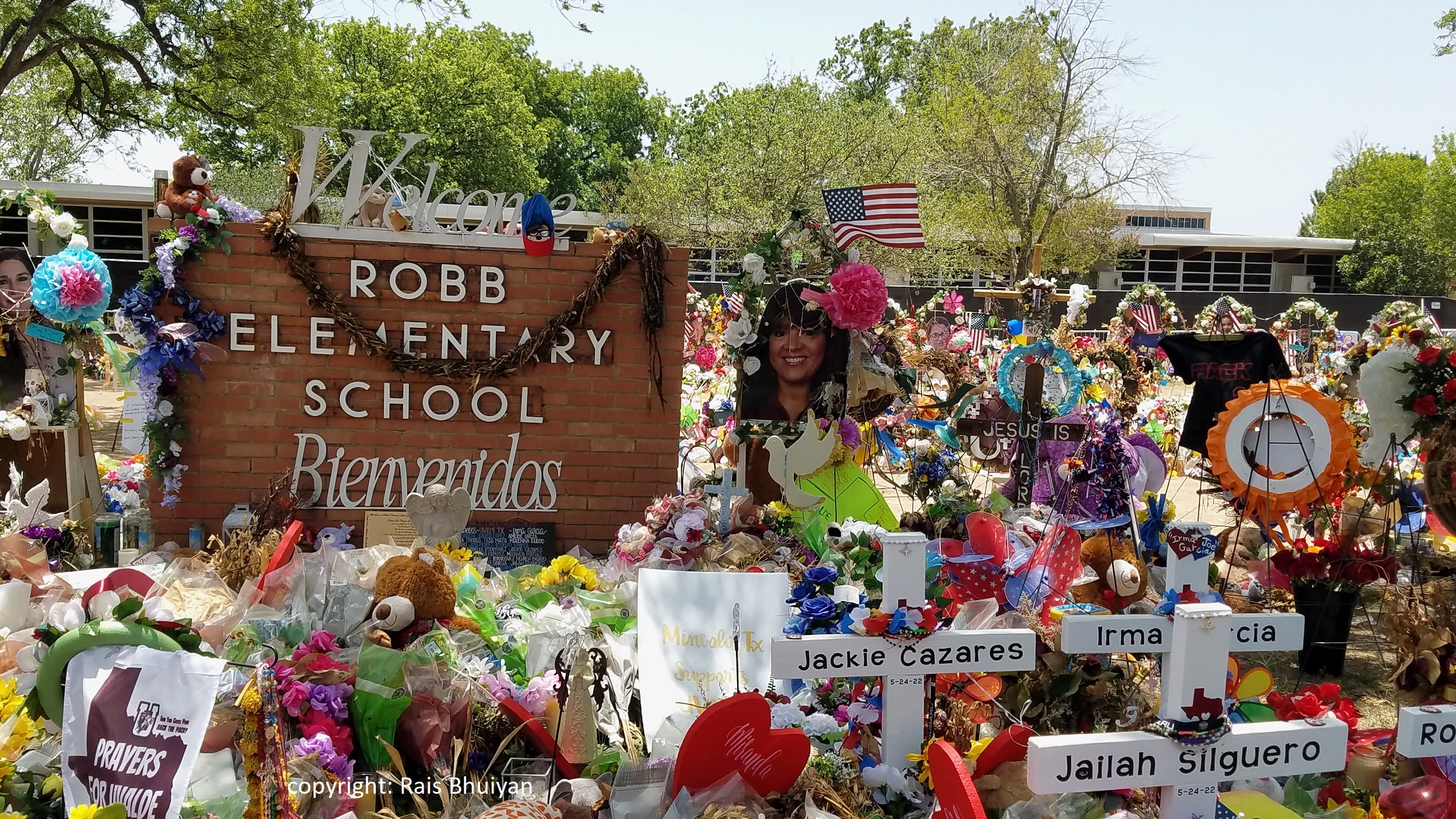
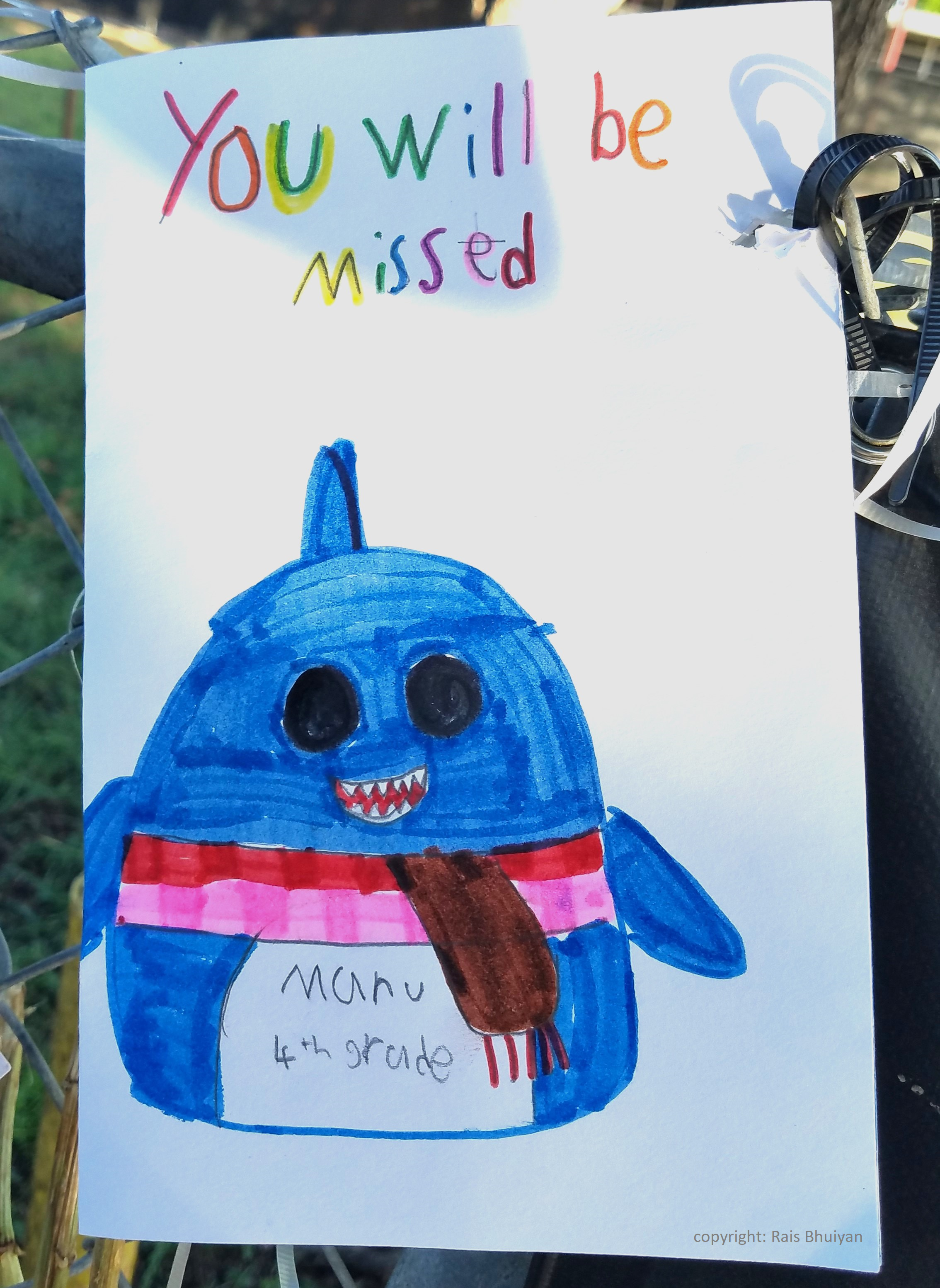
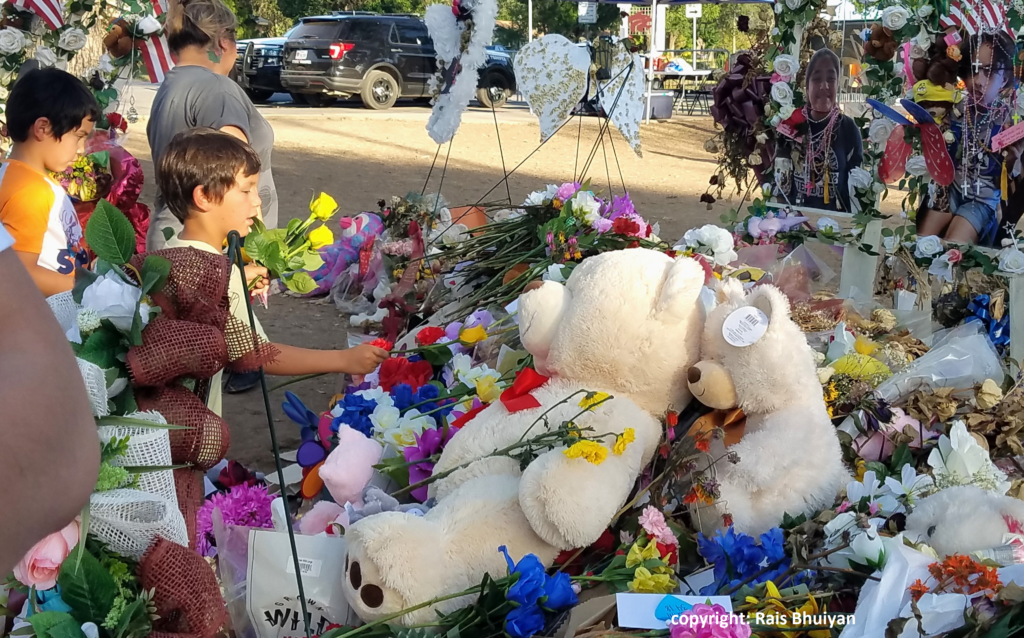 heavy with grief, a profound pain weighed on my chest, and tears filled the eyes of everyone silently passing by. I witnessed children, some no older than six or seven, offering flowers as a token of love and respect for their fallen peers. As I sat on the ground, paralyzed with sorrow, I was once again transported to the moments when I lay on a cold, concrete floor, my own blood pooling beneath me, having been shot in the face by a white supremacist in the aftermath of 9/11. I could not comprehend the thoughts that must have consumed those little angels during these similar, terrifying moments of life and death. Did they cry out for their mothers as I did? How can those who claim to be civilized allow such barbaric and senseless killings to occur — and repeatedly? How can our elected officials, those who possess the power to halt this madness, turn a blind eye to their fellow human beings, their own children, loved ones, and even the God they proclaim to pray to when these catastrophic events occur?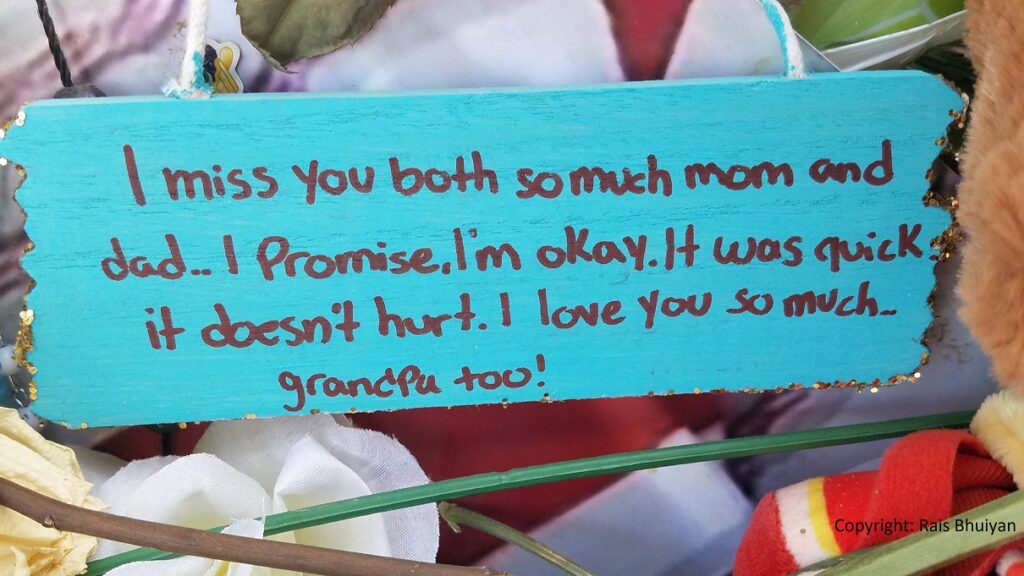
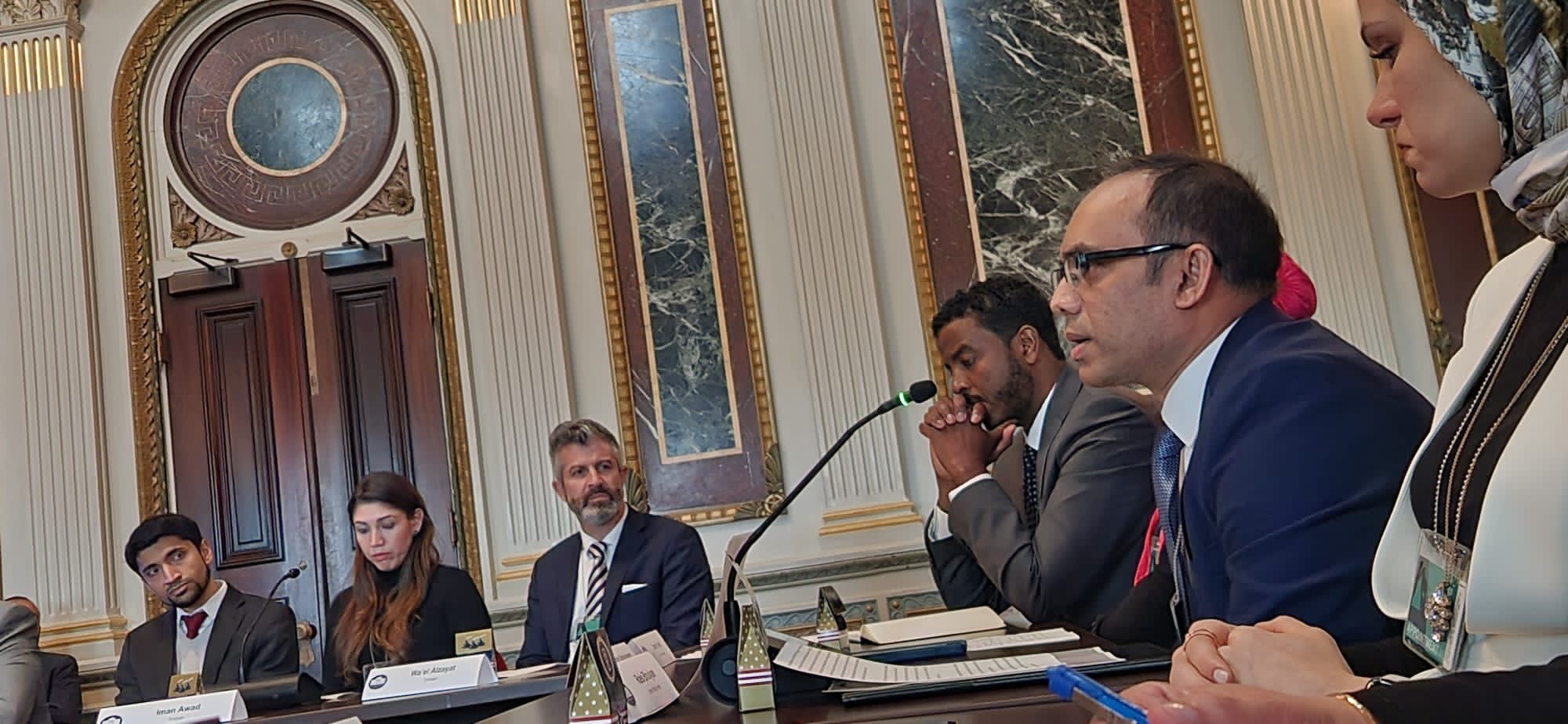
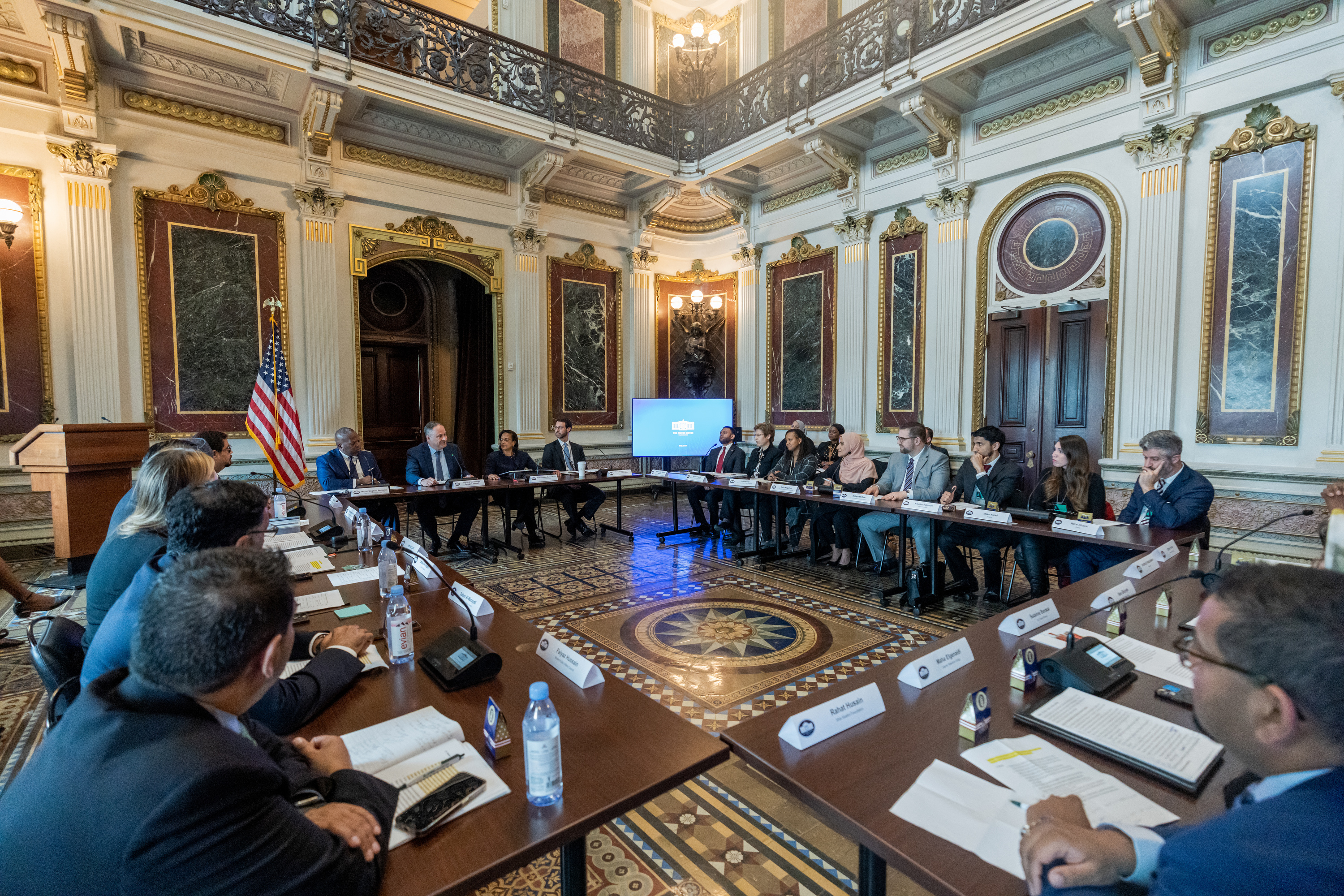
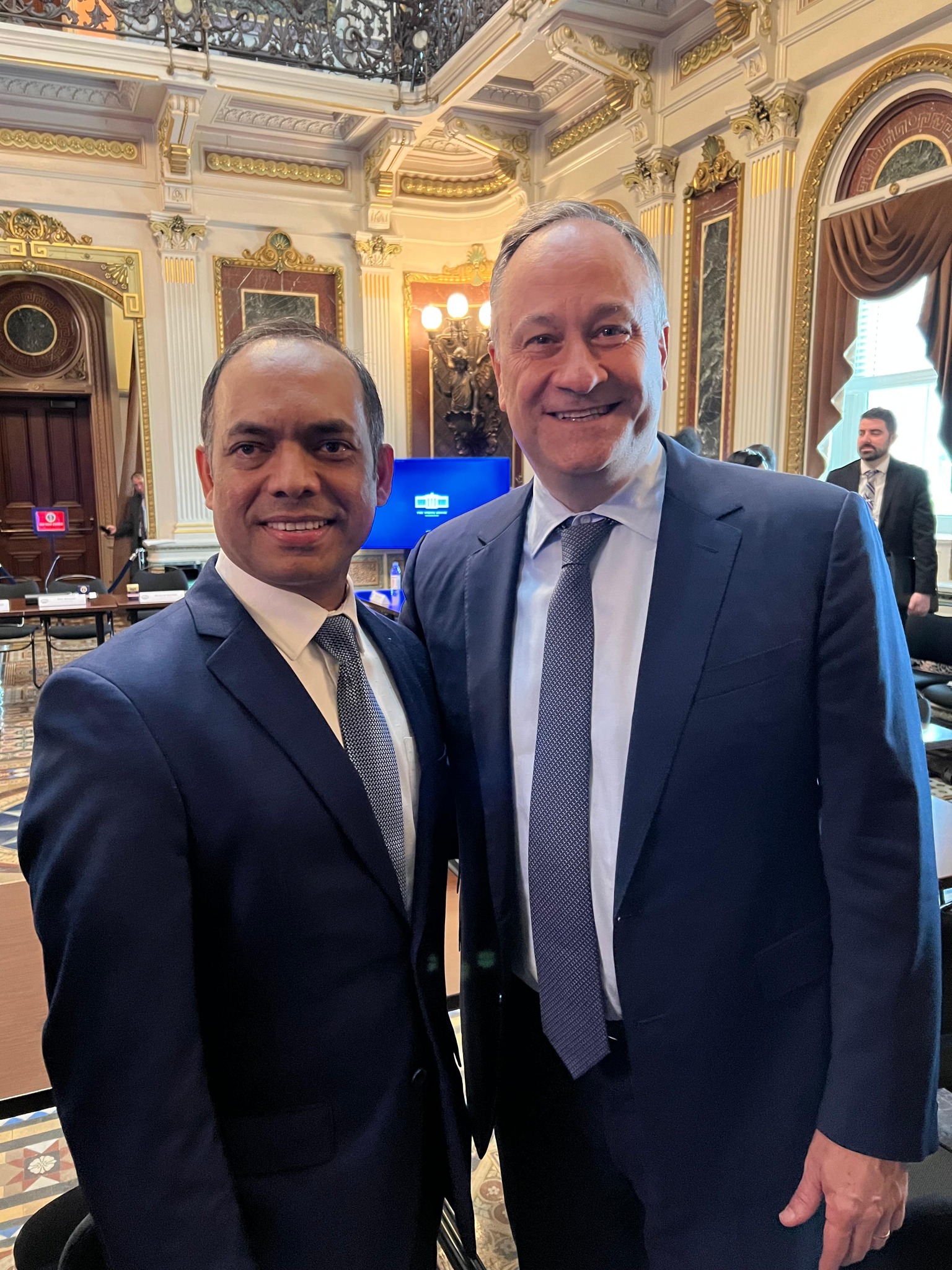
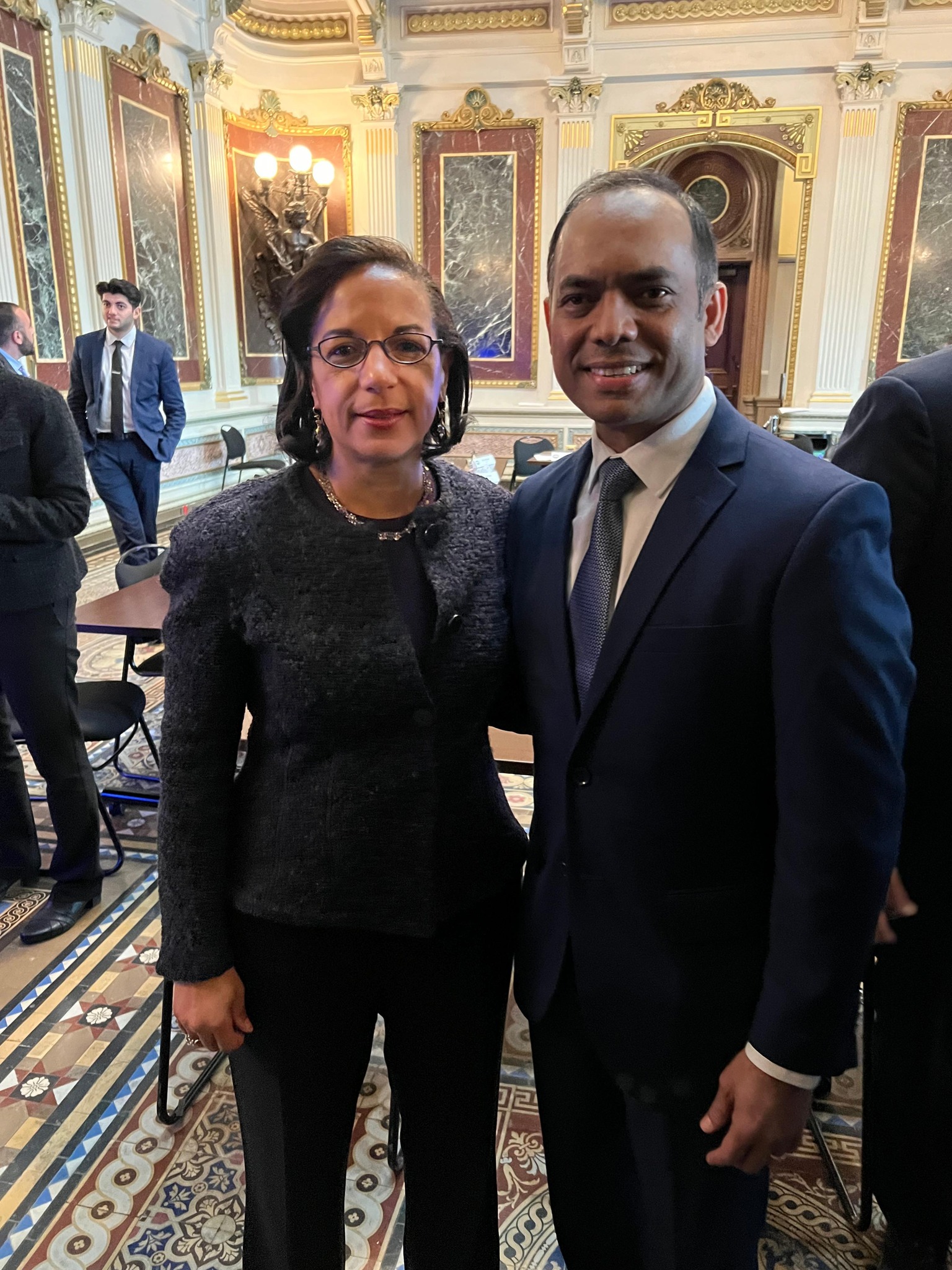
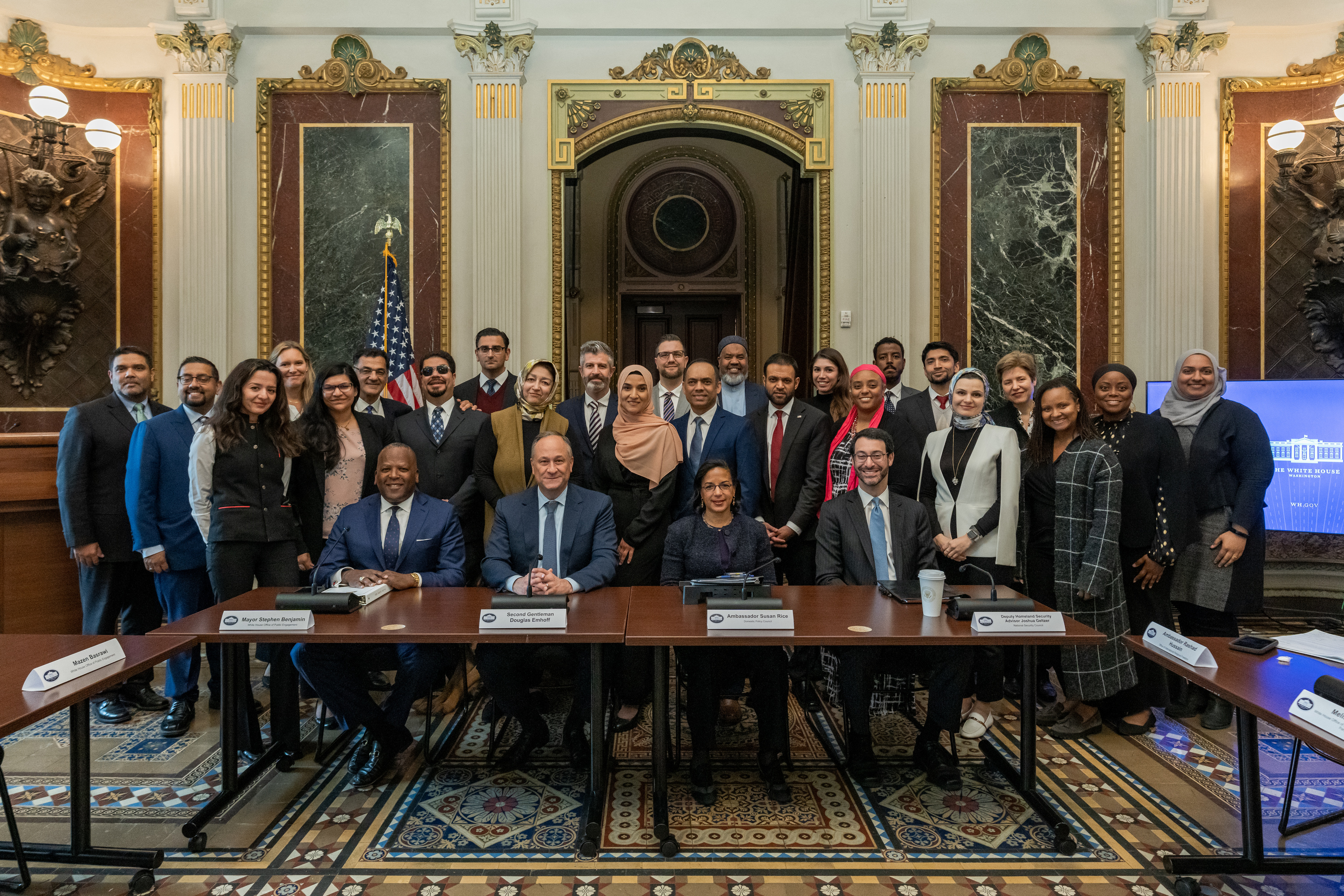 Second Gentleman Doug Emhoff attends a Muslim community listening session, Tuesday, May 2, 2023, in the Indian Treaty Room of the Eisenhower Executive Office Building at the White House. (Official White House Photo by Cameron Smith)